

 Fax : 1-973-799-0901
 Call us now: +1 408-464-9048


10 Best Ways to Use Balsamic Vinegar in Everyday Cooking
 Bryan,
 Nov 6, 2026
Balsamic vinegar is more than a salad dressing ingredient. Its rich, sweet, and tangy flavor makes it a versatile addition to marinades, roasted vegetables, pasta dishes, grilled meats, and even desserts. Whether you're preparing a quick weekday dinner or experimenting with new recipes, there are plenty of ways to use balsamic vinegar in everyday cooking.
Unlike sharper varieties of vinegar, balsamic vinegar has a distinctive balance of acidity and sweetness. Depending on the type, it can add fruity notes, depth, and complexity to both savory and sweet dishes. Even a small amount can transform familiar ingredients into something more flavorful.
If you're wondering what to do with balsamic vinegar beyond making salad dressing, here are 10 simple ways to incorporate it into your meals, along with practical cooking tips and ingredient pairings.

What Is Balsamic Vinegar Used For?
Balsamic vinegar is commonly used to enhance the flavor of vegetables, meat, seafood, salads, and sauces. It can be added during cooking, mixed into dressings and marinades, or drizzled over finished dishes.
Traditional balsamic vinegar originates from Italy, particularly the Modena and Reggio Emilia regions. It is produced from cooked grape must and develops its flavor through aging. Other varieties, including Balsamic Vinegar of Modena PGI and flavored balsamic vinegars, offer different levels of sweetness, acidity, and thickness.
Some of the most popular uses for balsamic vinegar include:
- Preparing homemade salad dressings and vinaigrettes.
- Marinating chicken, steak, pork, and vegetables.
- Adding flavor to roasted vegetables.
- Making balsamic reductions and glazes.
- Finishing grilled meats and seafood.
- Enhancing pasta sauces.
- Pairing with fresh fruit and desserts.
- Serving with olive oil and crusty bread.
The type of balsamic vinegar you choose can influence the finished dish. A lighter, more acidic variety works well in marinades and dressings, while a sweeter, thicker balsamic vinegar is especially useful for finishing foods.
For everyday recipes, explore Big Paw Olive Oil's Classic Balsamic Vinegar collection.
1. Make Homemade Balsamic Vinaigrette for Salads
One of the easiest ways to use balsamic vinegar is to make homemade salad dressing. Its sweetness and acidity complement fresh vegetables, leafy greens, cheese, and nuts.
A simple balsamic vinaigrette requires only a few ingredients and takes minutes to prepare.
Ingredients:
- 3 tablespoons extra virgin olive oil
- 1 tablespoon balsamic vinegar
- 1 teaspoon Dijon mustard
- ½ teaspoon honey (optional)
- Salt and black pepper to taste
Whisk the ingredients together in a small bowl until combined. Alternatively, place everything in a jar, secure the lid, and shake until the dressing is well mixed.
Drizzle the vinaigrette over mixed greens, spinach, arugula, or a tomato and mozzarella salad. You can also experiment with flavored balsamic vinegar to introduce fruity or herbal notes.
For a balanced dressing, pair balsamic vinegar with a mild extra virgin olive oil. Explore Big Paw's 100% Extra Virgin Olive Oils for different flavor options.
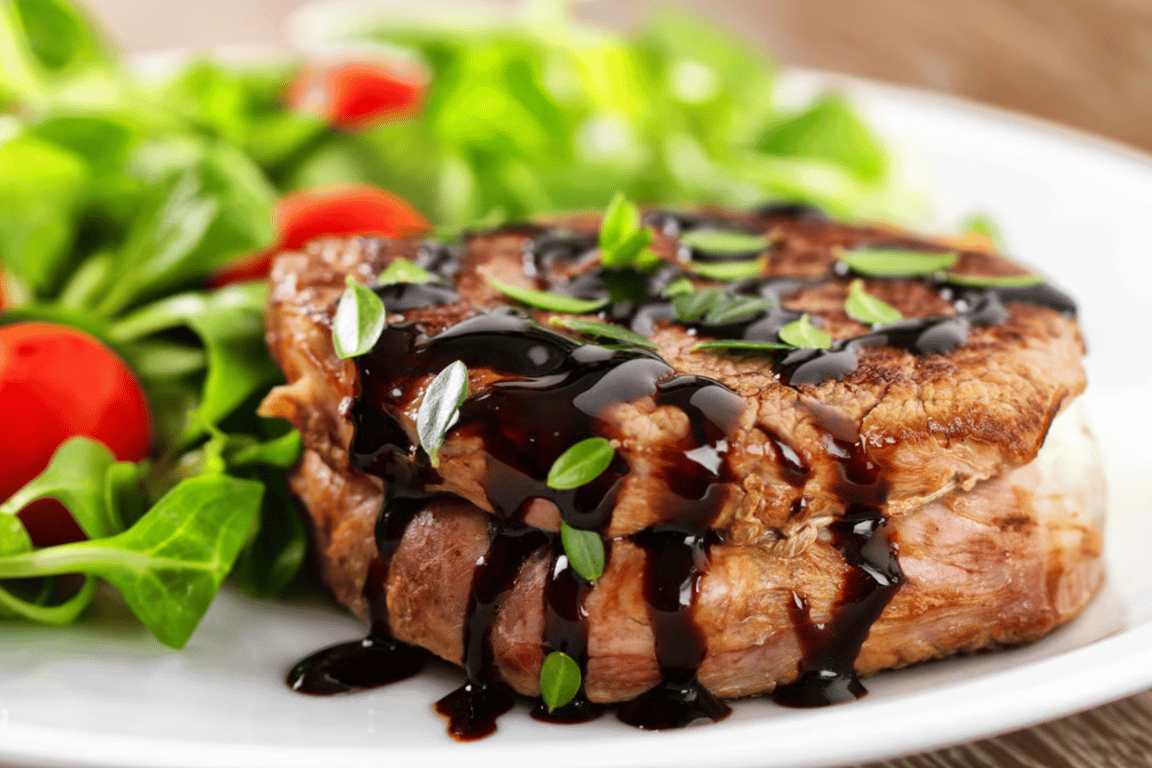
2. Marinate Chicken, Steak, and Pork With Balsamic Vinegar
Balsamic vinegar is a flavorful ingredient for meat marinades. Its acidity affects proteins at the surface, while its natural sweetness complements the savory flavors of grilled, baked, and pan-seared meat.
Combining balsamic vinegar with olive oil, garlic, and herbs creates a marinade suitable for several types of meat.
Simple balsamic marinade ingredients:
- ¼ cup balsamic vinegar
- ¼ cup extra virgin olive oil
- 2 garlic cloves, minced
- 1 teaspoon dried Italian herbs
- ½ teaspoon black pepper
- Salt to taste
Whisk the ingredients together and pour the marinade over your chosen meat in a covered container or resealable food-safe bag.
Refrigerate the meat while marinating. For smaller or thinner cuts, 30 minutes to two hours is often enough to develop flavor. Larger cuts may benefit from more time, depending on the recipe.
Avoid excessively long marinating periods because acidic ingredients can affect the texture of the meat's surface.
Discard marinade that has contacted raw meat unless it is boiled thoroughly before being used as a sauce.
For another variation, try Big Paw's Honey Balsamic Vinegar. Its honey and balsamic flavors are well suited to chicken marinades and glazes.
You can also explore our Balsamic Vinegar Marinade for Steak for additional preparation ideas.

3. Add Balsamic Vinegar to Roasted Vegetables
Roasted vegetables develop a naturally sweet flavor as they brown in the oven. Adding balsamic vinegar introduces a pleasant tanginess that balances their sweetness.
This technique works particularly well with:
- Brussels sprouts
- Carrots
- Sweet potatoes
- Red onions
- Butternut squash
- Mushrooms
- Zucchini
To prepare balsamic roasted vegetables, toss approximately one pound of chopped vegetables with two tablespoons of olive oil, salt, and black pepper.
Spread them evenly on a baking sheet and roast at 400°F (200°C) until tender and lightly browned. Cooking times vary depending on the vegetables and how large you cut them.
During the final five minutes of roasting, drizzle one to two tablespoons of balsamic vinegar over the vegetables and toss gently.
Adding the vinegar near the end helps prevent its natural sugars from burning during prolonged roasting.
For additional flavor, combine balsamic vinegar with rosemary, thyme, or garlic-flavored olive oil.
4. Prepare a Homemade Balsamic Glaze
Balsamic glaze is a thick, syrup-like reduction that adds concentrated flavor to both savory and sweet dishes.
It is especially useful when you want the flavor of balsamic vinegar without adding too much liquid to a finished meal.
How to make balsamic glaze:
- Pour one cup of balsamic vinegar into a small saucepan.
- Bring it to a gentle simmer over medium-low heat.
- Reduce the heat and continue simmering, stirring occasionally.
- Cook for approximately 15–25 minutes, or until the vinegar reduces and lightly coats a spoon.
- Remove from the heat and allow it to cool. The glaze will thicken further as it cools.
The cooking time depends on the vinegar's consistency, saucepan size, and heat level. Watch the reduction closely to prevent scorching.
You can drizzle homemade balsamic glaze over:
- Caprese salad
- Grilled chicken
- Roasted vegetables
- Pizza
- Grilled peaches
- Fresh mozzarella
- Strawberries
You do not need to add sugar to every balsamic reduction. Many balsamic vinegars already contain enough natural sweetness to produce a flavorful glaze.

5. Drizzle Balsamic Vinegar Over Grilled Meat and Seafood
Balsamic vinegar is not limited to marinades. You can also use it as a finishing ingredient after cooking.
A small drizzle adds acidity that balances the richness of grilled steak, pork chops, chicken, and certain types of seafood.
For example, grilled steak pairs well with a balsamic reduction made with garlic and fresh rosemary. The concentrated vinegar complements the browned exterior of the meat without requiring a heavy sauce.
For grilled chicken, try combining balsamic vinegar with a small amount of olive oil and chopped basil.
Balsamic vinegar also works with salmon, particularly when paired with honey, mustard, or citrus.
Start with one or two teaspoons per serving and adjust according to your preferred flavor.
If you're preparing grilled meat for a gathering, serve the balsamic vinegar separately so guests can control how much they add.

6. Pair Balsamic Vinegar With Olive Oil for Bread Dipping
Balsamic vinegar and extra virgin olive oil are a classic combination for dipping crusty bread.
The olive oil provides richness, while the balsamic vinegar introduces acidity and sweetness. Together, they create an appetizer that requires very little preparation.
Simple balsamic olive oil bread dip:
- 3 tablespoons extra virgin olive oil
- 1 tablespoon balsamic vinegar
- ½ teaspoon dried Italian herbs
- 1 small garlic clove, finely minced (optional)
- A pinch of salt and black pepper
Pour the olive oil and balsamic vinegar into a shallow serving dish. Add the herbs, garlic, and seasonings, then stir lightly.
Serve immediately with sliced baguette, focaccia, sourdough, or Italian bread.
If you enjoy ready-made dipping blends, try Big Paw's Balsamic Bread Dipper. It combines olive oil, balsamic vinegar, and complementary seasonings for a convenient bread-dipping option.
You can also explore the Dippers, Dressings, and Marinades collection for more ways to flavor bread and appetizers.
7. Add Balsamic Vinegar to Pasta Sauces
A small splash of balsamic vinegar can help balance the flavor of tomato-based pasta sauces.
Tomatoes naturally contain acidity, but slow cooking and the addition of other ingredients can change the overall flavor of a sauce. Balsamic vinegar contributes both sweetness and acidity, adding depth without requiring many additional seasonings.
For a basic tomato sauce, start with one teaspoon of balsamic vinegar for every two cups of sauce.
Stir it into the sauce during the final few minutes of cooking. Taste before adding more, as too much vinegar can overpower the tomatoes.
Balsamic vinegar works particularly well in:
- Spaghetti with tomato and basil sauce
- Vegetable pasta
- Mushroom pasta
- Slow-cooked meat sauces
- Tomato-based baked pasta dishes
For a richer sauce, combine balsamic vinegar with roasted garlic, olive oil, and fresh herbs.
You can also use a few drops of thick balsamic vinegar to finish a serving of pasta after plating.

8. Enhance Fresh Fruit With Balsamic Vinegar
One of the more surprising uses for balsamic vinegar is pairing it with fresh fruit.
The vinegar's sweet and tangy flavor contrasts with the natural sugars in fruit, creating a refreshing combination.
Strawberries are among the most popular choices, but balsamic vinegar also pairs well with:
- Peaches
- Figs
- Raspberries
- Blueberries
- Pears
- Watermelon
For a simple dessert, slice one cup of fresh strawberries and toss them with one to two teaspoons of balsamic vinegar.
Let the mixture rest for approximately 10 minutes before serving. This allows the flavors to combine and some of the fruit juices to collect.
For a sweeter variation, add a small amount of honey or serve the fruit with plain yogurt.
You can also experiment with flavored balsamic vinegars.
Big Paw's Dark Cherry Balsamic Vinegar combines dark cherry flavor with balsamic vinegar, making it an option for fruit salads and desserts.
9. Use Balsamic Vinegar in Sandwiches, Flatbreads, and Pizza
Balsamic vinegar can enhance sandwiches and flatbreads by adding flavor without requiring a complicated sauce.
It pairs particularly well with fresh mozzarella, tomatoes, basil, grilled vegetables, and roasted chicken.
For a simple Caprese sandwich, layer sliced mozzarella, fresh tomatoes, and basil between two pieces of crusty bread. Add a drizzle of extra virgin olive oil and a small amount of balsamic vinegar before serving.
You can also use balsamic glaze as a finishing touch for homemade pizza.
Popular combinations include:
- Margherita pizza with balsamic glaze
- Flatbread with goat cheese and roasted vegetables
- Chicken and mozzarella sandwiches
- Grilled vegetable paninis
- Tomato, basil, and avocado toast
For pizza or flatbread, add the balsamic glaze after baking rather than before. This prevents the concentrated glaze from burning in the oven.
Start with a small drizzle and increase the amount as needed.

10. Add Balsamic Vinegar to Desserts and Ice Cream
Balsamic vinegar may seem unusual in desserts, but its concentrated fruit flavors and natural acidity can complement sweet ingredients.
A thick, sweet balsamic vinegar works particularly well with vanilla ice cream, panna cotta, chocolate desserts, and fresh berries.
The contrast between creamy desserts and tangy balsamic vinegar can create a more complex flavor.
For an easy dessert, place a scoop of vanilla ice cream in a bowl and add a few drops of thick balsamic vinegar or balsamic reduction.
You can also pair balsamic vinegar with:
- Dark chocolate
- Cheesecake
- Vanilla panna cotta
- Grilled peaches
- Strawberry shortcake
- Fresh figs with ricotta
When serving balsamic vinegar with desserts, choose a sweeter variety and begin with a small amount.
Flavored options, including Big Paw's Dark Cherry Balsamic Vinegar, offer additional possibilities for experimenting with sweet dishes.
Tips for Cooking With Balsamic Vinegar
Knowing how to use balsamic vinegar can help you get better results from everyday recipes.
Choose the Right Type of Balsamic Vinegar
Not all balsamic vinegars have the same flavor or consistency.
Some are thin and tangy, while others are thick, sweet, and concentrated. More acidic varieties work well in salad dressings, marinades, and cooked sauces. Sweeter varieties are often better for drizzling over finished dishes.
Consider the recipe before choosing your vinegar.
Start With a Small Amount
Balsamic vinegar has a distinctive flavor that can become overpowering when used excessively.
Start with one or two teaspoons when adding it to a sauce or finished dish, then taste and adjust.
For larger recipes, such as marinades or salad dressings, follow the recommended proportions and adjust according to the ingredients.
Pair Balsamic Vinegar With Extra Virgin Olive Oil
Olive oil and balsamic vinegar complement each other because the oil provides richness while the vinegar adds acidity.
This combination works well in vinaigrettes, marinades, vegetable dishes, and bread dips.
If you want to understand which olive oil flavors work best with different ingredients, read our Guide to Olive Oil: Balanced and Mild Flavors.
Avoid Overheating Sweet Balsamic Vinegar
Balsamic vinegar contains natural sugars from grapes, and some commercial varieties may contain additional sweetening ingredients.
Cooking at excessively high temperatures can cause these sugars to scorch.
When making a glaze or adding balsamic vinegar to roasted vegetables, use controlled heat and monitor the dish closely.
Store Balsamic Vinegar Properly
Keep balsamic vinegar tightly sealed in a cool, dark place away from direct sunlight and heat.
Most commercially bottled balsamic vinegars do not require refrigeration after opening, although you should always follow the storage instructions on the label.
For more information, read Does Balsamic Vinegar Need to Be Refrigerated?
Frequently Asked Questions
Q: What foods taste best with balsamic vinegar?
A: Balsamic vinegar pairs well with salads, roasted vegetables, chicken, steak, pork, salmon, tomatoes, mozzarella, fresh fruit, and desserts. Its balance of sweetness and acidity makes it suitable for both savory and sweet recipes. The best pairing depends on the vinegar's thickness, sweetness, and acidity.
Q: Can you cook with balsamic vinegar?
A: Yes. Balsamic vinegar can be used in marinades, sauces, glazes, and roasted vegetable dishes. It can also be added near the end of cooking to balance flavors. When heating balsamic vinegar, avoid excessively high temperatures because its natural sugars can burn.
Q: What is the best way to use balsamic vinegar with olive oil?
A: One of the easiest ways is to combine three parts extra virgin olive oil with one part balsamic vinegar. Add salt, pepper, and herbs to create a simple salad dressing or bread dip. You can adjust the ratio depending on how tangy you prefer the mixture.
Q: Can balsamic vinegar be used as a marinade?
A: Yes. Balsamic vinegar works well in marinades for chicken, steak, pork, and vegetables. Combine it with olive oil, garlic, herbs, and seasonings. Always marinate meat in the refrigerator, and avoid leaving it in highly acidic marinades for excessively long periods because the texture may change.
Q: Is balsamic vinegar good for everyday cooking?
A: Yes. Balsamic vinegar is a versatile pantry ingredient that can enhance many everyday meals. It adds acidity, sweetness, and complexity to salads, vegetables, sauces, and proteins. Because the flavor is concentrated, a small quantity is often sufficient. Choose an appropriate variety and adjust the amount to suit your recipe.
Discover More Ways to Cook With Big Paw Balsamic Vinegar
Balsamic vinegar is one of the most versatile ingredients you can keep in your kitchen. From homemade vinaigrettes and marinades to roasted vegetables, pasta, bread dipping, and desserts, it offers plenty of ways to add flavor to familiar meals.
Whether you prefer a classic balsamic vinegar or a flavored variety, experimenting with different combinations can help you discover new favorites.
At Big Paw Olive Oil, you'll find balsamic vinegars and extra virgin olive oils suited to everyday cooking, entertaining, and gifting.
Explore our Classic Balsamic Vinegars, discover the sweet and tangy flavor of Honey Balsamic Vinegar, or try our Dark Cherry Balsamic Vinegar for creative recipes.
Shop Big Paw Olive Oil and bring more flavor to your everyday meals.
