Fax : 1-973-799-0901
 Call us now: +1 408-464-9048


A Guide to Olive Oil Balanced and Mild Flavors
 Bryan,
 Feb 6, 2026
When you step into the world of olive oil, you’re entering a spectrum of flavors, from robust and peppery to delicate and mild. Just as wine lovers identify their favorite varietals, home cooks and foodies can discover their ideal olive oil style to elevate everything from salads to sautés. For many, an olive oil balanced or mild flavor becomes the go-to choice. It is versatile, easygoing, and friendly to a wide range of dishes.
This guide breaks down what makes olive oil mild or balanced, how to choose the right flavor for your kitchen, and why understanding olive oil flavor profiles will boost your confidence in the grocery aisle and in the kitchen.
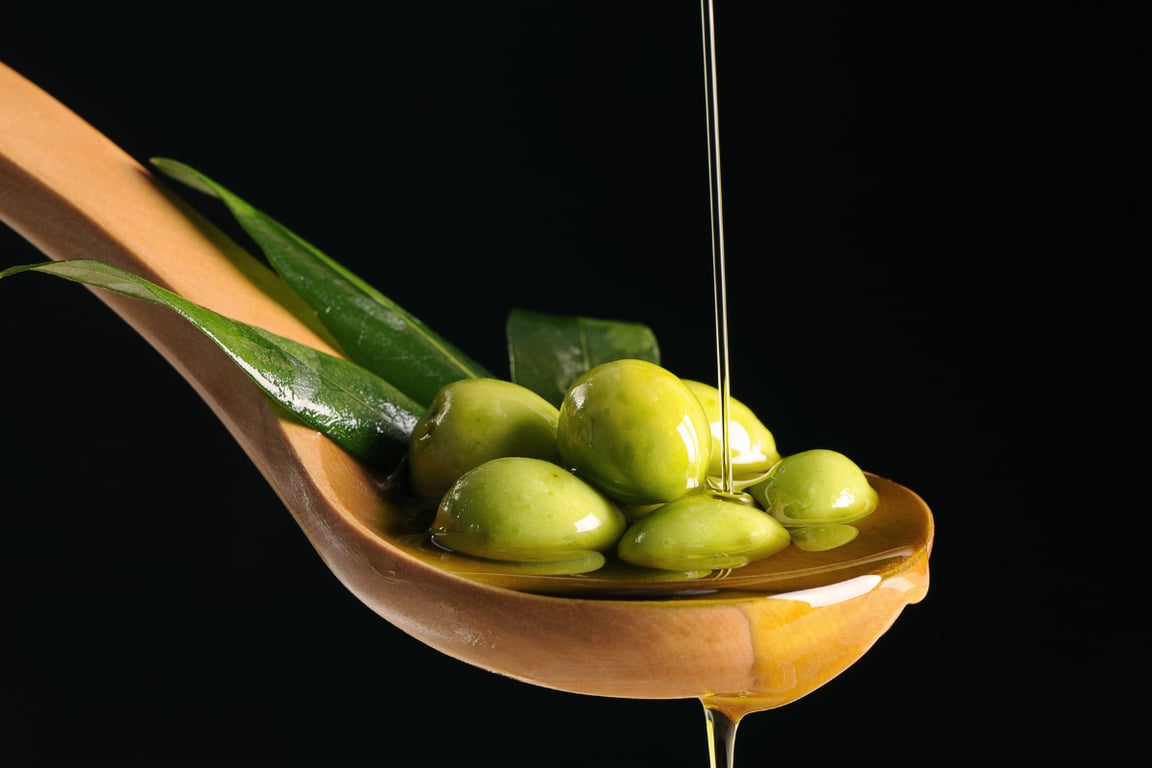
What Does “Balanced or Mild” Mean in Olive Oil?
Olive oil flavor is shaped by olive variety, region, harvest timing, and processing methods. Oils can range from robust and peppery to fruity, soft, and mild. When we talk about “balanced or mild,” we are referring to oils that:
- Are gentle on the palate, with no overpowering bitterness or peppery finish.
- Feature harmonious fruitiness, with soft olive notes rather than intense grassy or pungent tones.
- Work with a wide range of foods, from delicate vegetables to rich cheeses.
Unlike more assertive extra virgin olive oils, which are often favored for finishing dishes, balanced and mild oils excel in everyday cooking, where you want subtlety instead of boldness.
Why Choose a Balanced or Mild Olive Oil?
Choosing an olive oil balanced or mild flavor is not about settling. It is about versatility and harmony in your dishes. Here is why many home cooks prefer this style.
1. Everyday Cooking Ease
Mild oils are forgiving in heat and ideal for:
- Light sautéing
- Scrambled eggs
- Stir ins
- Vegetable roasting
They add richness without dominating other flavors.
2. Salad and Dressing Friendly
For vinaigrettes and dressings, a balanced olive oil style allows herbs, lemon, and vinegars to shine while providing a silky mouthfeel. A strong, peppery oil can compete with other dressing elements. Mild oil blends more smoothly.
3. Universal Pairing Partner
If you enjoy cooking a variety of cuisines, a mild or balanced olive oil flavor gives you flexibility. It will not clash with delicate fish, creamy cheeses, or subtly seasoned grains.

The Flavor Spectrum and Where Mild and Balanced Oils Fit
Understanding olive oil flavor as a spectrum helps clarify your choices.
- Delicate or Mild. Soft fruitiness with minimal bitterness or pepper. Great for light dishes, baking, and everyday use.
- Balanced. Medium fruit notes with gentle earthy or grassy highlights. Ideal for general kitchen use.
- Robust or Bold. Strong grassy, peppery, or bitter characteristics. Best for finishing dishes, dipping bread, or pairing with bold foods.
Balanced and mild oils often come from riper olives and careful extraction processes. The result is a gentler profile that still captures the essence of quality extra virgin olive oil.
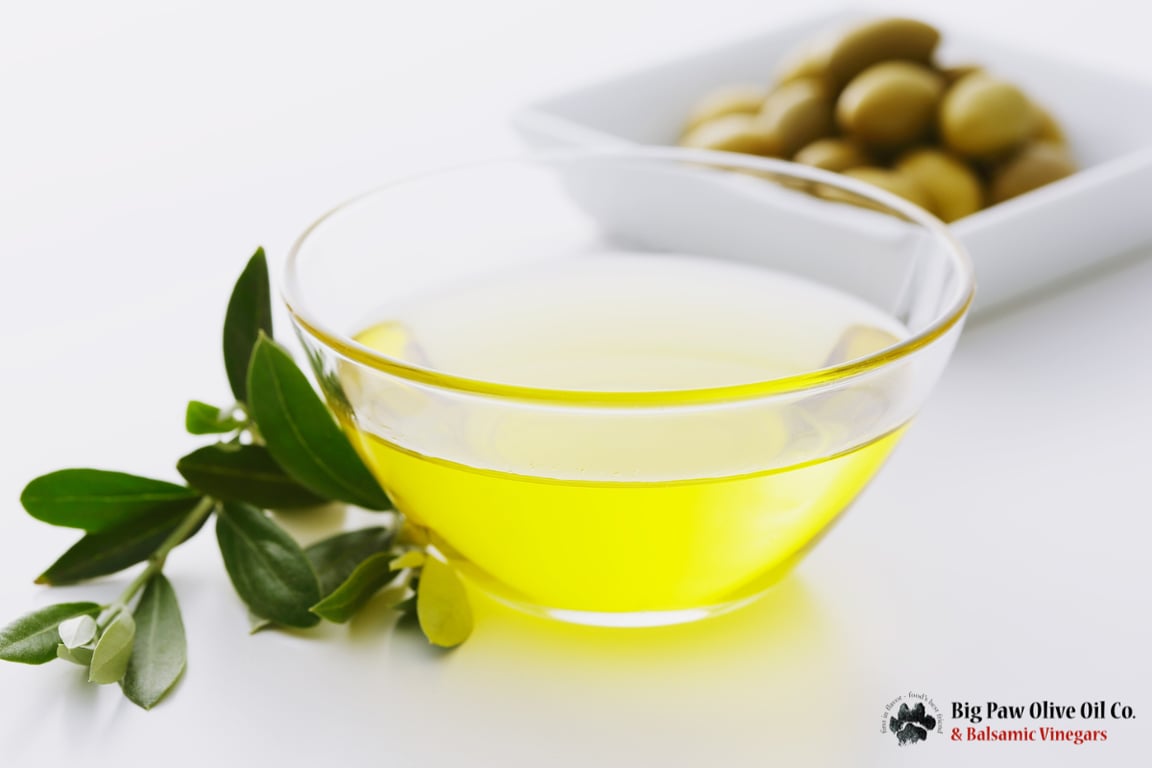
How to Choose the Right Mild or Balanced Olive Oil
When selecting an oil with a balanced or mild flavor, look for these clues.
Flavor Descriptions
Labels may include terms like "smooth," "fruit forward," or "medium." Words like "peppery" or "intense" usually signal a stronger oil.
Olive Variety and Region
Some olive varieties and regions produce naturally lighter oils. Mediterranean blends and oils from riper olives often lean toward mildness.
Purpose-Driven Selection
Ask yourself:
- Will I use this for cooking or finishing?
- Do I want a neutral base or a bold flavor note?
If your goal is everyday versatility, a balanced or mild style is usually the better choice.
Creative Ways to Use Mild and Balanced Olive Oils
Once you have found an olive oil with a gentle personality, use it in ways that let its character support your food without overpowering it.
1. Bread Dipping: Flavor olive oil with herbs, lemon zest, or a splash of balsamic vinegar for a bright, approachable dip.
2. Vinaigrettes: Blend mild olive oil with citrus juice or vinegar, Dijon mustard, and herbs for dressings that enhance instead of dominate.
3. Roasted Vegetables: Coat vegetables with balanced olive oil before roasting to enhance sweetness and texture.
4. Fish and Poultry: Delicate proteins benefit from the soft, harmonious flavor of a mild olive oil, especially when paired with fresh herbs.
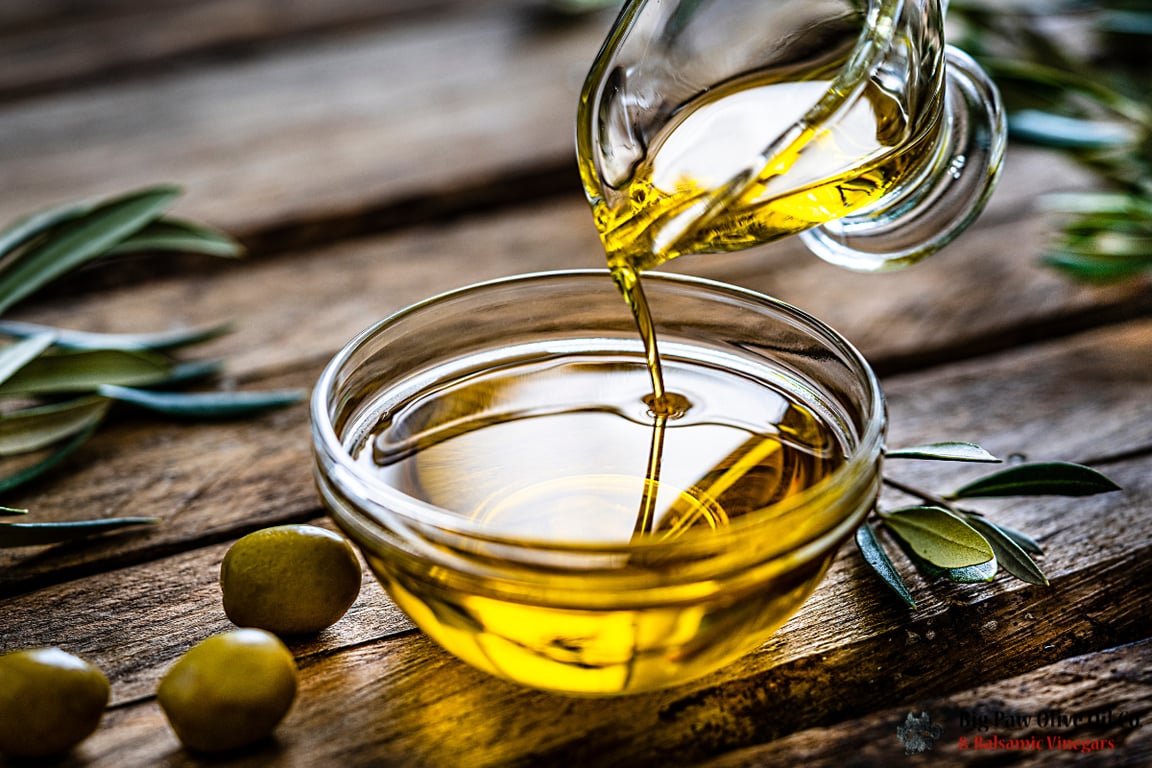
Flavored Olive Oil and When to Use It
Flavored olive oil infused with herbs, garlic, citrus, or chili adds an aromatic boost to your cooking. Pairing a mild base oil with natural flavor infusions gives you balance plus character. You get a subtle olive oil flavor with a hint of something extra.
Try a lemon-infused olive oil over grilled asparagus or a garlic-infused version for dipping crusty bread.
Exploring the world of olive oil invites you to think about flavor in a more intentional way. An olive oil balanced or mild flavor is not just a gentle alternative. It is a versatile tool that can enhance everyday meals, support nuanced dressings, and pair easily with a wide range of ingredients.
Next time you choose an oil, think about what you are cooking, how bold you want the final dish to be, and whether a balanced flavor style suits your needs. For sautéing vegetables, grilling fish, or crafting dressings, the right olive oil can become the quiet star of your kitchen.
Frequently Asked Questions
Q: What is the difference between mild and balanced olive oil?
A: Mild olive oil has softer, gentle fruit notes with minimal pepper or bitterness. Balanced oil has slightly more complexity, with fruitiness and subtle herbal or grassy notes, but it is not bold. Both are lighter than robust oils.
Q: Can I use mild olive oil for cooking at high heat?
A: Yes. Mild and balanced olive oils work well for most everyday cooking, including sautéing and roasting. Their lighter flavor will not overwhelm your dish. Always consider the cooking temperature and oil quality.
Q: Is flavored olive oil the same as mild olive oil?
A: No. Flavored olive oil starts with a base oil that can be mild, balanced, or robust, and then it is infused with ingredients such as herbs, citrus, or garlic. A mild base oil is often preferred because it does not compete with added flavors.