Fax : 1-973-799-0901
 Call us now: +1 408-464-9048


Best Olive Oil for Salad Dressing
 Bryan,
 Sep 13, 2026
While a great salad starts with fresh ingredients, it’s the dressing that truly brings everything together. Whether you're tossing crisp greens, juicy tomatoes, grains, or seasonal fruit, the right olive oil turns an otherwise simple salad into something mouthwatering.
For the home cooks who adore invigorating flavors, choosing the best olive oil for salad dressing means looking beyond the first store bought bottle and instead opting for something quaint. After all, you want an oil with freshness, character, and a flavor profile that works with the ingredients on your plate. Extra virgin olive oil is especially well suited to the job because it doesn't need heat to shine. Its natural fruity, grassy, peppery, or buttery notes can become part of the dish itself.
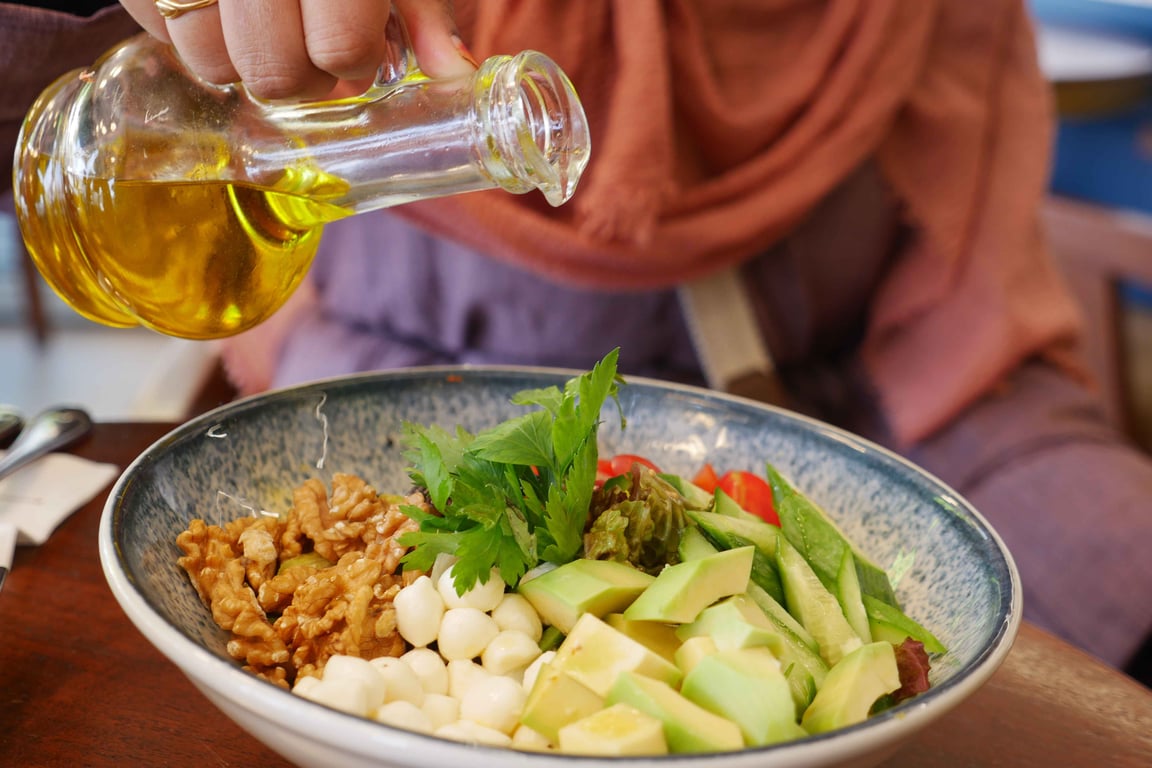
Why Extra Virgin Olive Oil Works Well in Salad Dressings
When you're cooking, olive oil often plays a supporting role. However, in a salad, it's front and center. That's why extra virgin olive oil for salad dressing is such a natural choice.
Salad dressings are a great way to enjoy EVOO’s natural flavor, since there’s nothing to mask its fresh, vibrant character. A fresh extra virgin olive oil can add fruitiness, peppery complexity, or a smooth, buttery finish to a dressing without needing much else. Combine it with vinegar or citrus, a little salt, and your favorite herbs, and you have the ultimate homemade dressing.
Unlike a neutral oil, EVOO for salad dressing contributes its own flavor. That makes choosing the right bottle less about finding a generic "best oil for salad dressing" and more about finding an oil that complements what you're serving or what you enjoy most often.
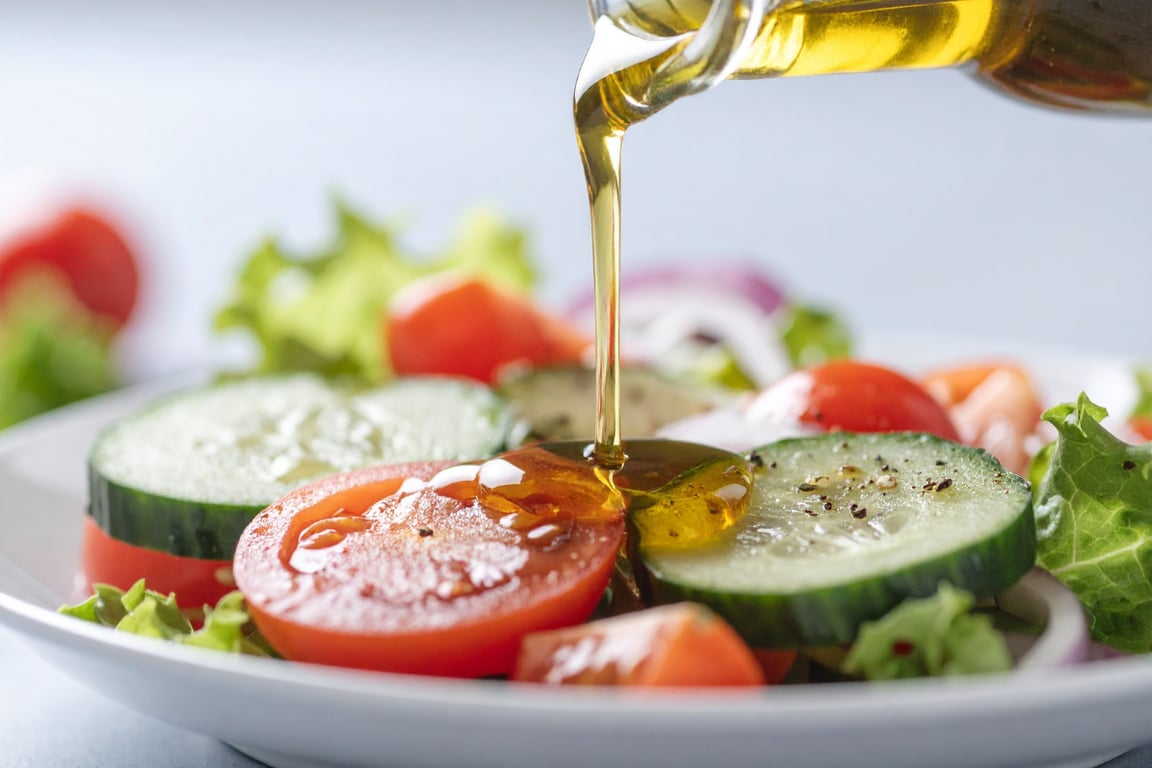
How to Choose the Best Olive Oil for Salad Dressing
Consider the Olive Oil’s Flavor
Not all extra virgin olive oils taste the same. Some are delicate and fruity, while others are grassy, bold, or peppery. Think about the overall taste you want your salad to have. For delicate greens, a balanced, fresh oil is all your vegetables need. For tomatoes, olives, herbs, or hearty greens, consider a more robust EVOO. And if you're building a fruit-and-cheese salad, look for an oil with a naturally fruity character.
Look for Fresh Extra Virgin Olive Oil
Freshness matters when you're using olive oil as a finishing ingredient. Be on the hunt for extra virgin olive oil salad dressing recipes that let the oil's flavor come through, and choose an EVOO that's been properly stored and has a fresh, appealing aroma and taste. Additionally, keep your bottle in a cool, dark place away from heat and direct sunlight. Since you're using the oil uncooked, you'll notice its quality with every bite.
Match the EVOO to Your Other Ingredients
Think of olive oil as another ingredient rather than simply the base of your dressing. A bright, peppery EVOO can balance sweet tomatoes and creamy cheese, while a softer, fruitier oil may be a better match for fresh fruit. Ultimately, the best extra virgin olive oil for salad dressing is the one that makes the other ingredients taste even better.
Which Olive Oil Goes Best with Different Types of Salad?
Your salad ingredients can help determine which olive oil for salad dressing belongs in the bowl.
- Leafy green salads: Choose a fresh, balanced EVOO for simple salads where lettuce, arugula, spinach, or spring greens are the stars.
- Tomato and Mediterranean-style salads: Try a more flavorful or peppery EVOO to complement tomatoes, herbs, olives, and cheese. Having a bold oil can make a classic Mediterranean-inspired salad feel restaurant-worthy.
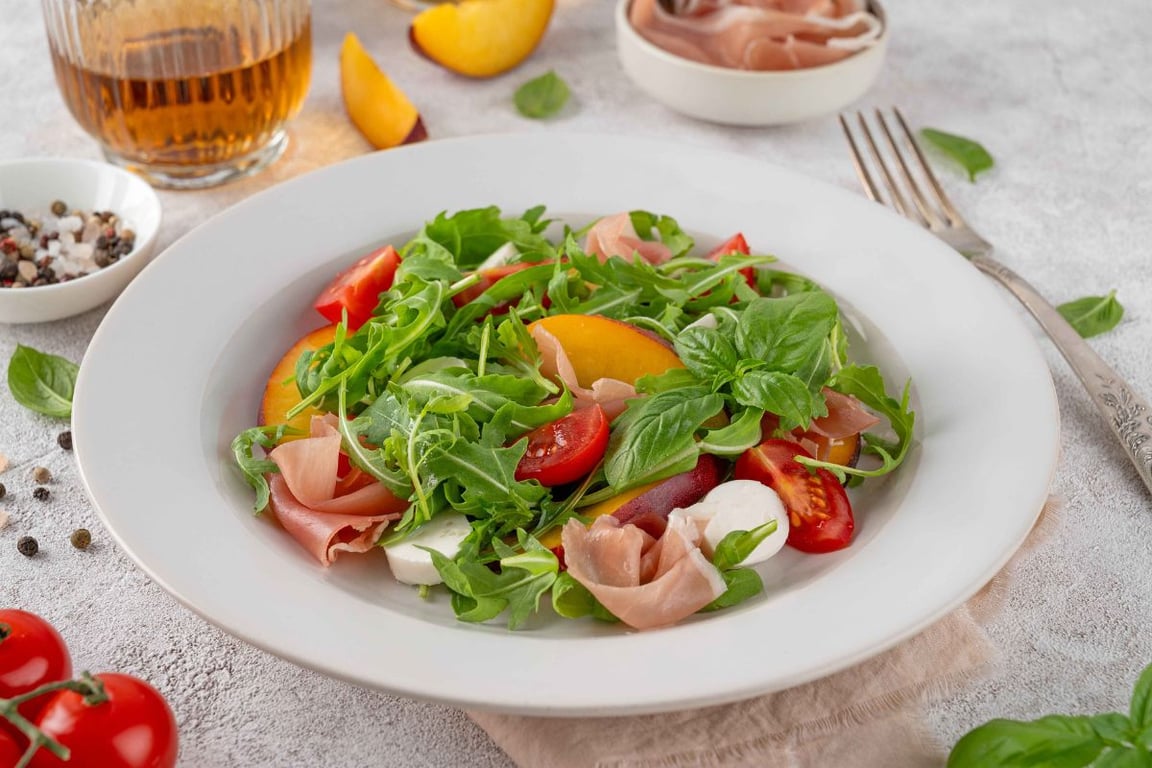
- Fruit and cheese salads: A fruitier EVOO can complement berries, pears, apples, goat cheese, or feta. The combination of sweet, tangy, creamy, and fruity flavors makes for a seriously satisfying salad.
- Pasta and grain salads: A medium to robust olive oil works well because grains and pasta can handle stronger flavors. Try it with roasted vegetables, beans, fresh herbs, or a punchy vinaigrette.
Can You Use Flavored Olive Oil for Salad Dressing?
Since flavored olive oils are a fun way to experiment with homemade dressings, it’s important to utilize varied options when playing around with potential flavors. This includes garlic, citrus, herb, or other infused oils that add an extra dimension to your cooking. After all, a flavored olive oil has the power to become a starting point for dressings alongside marinades or a finishing drizzle.
The key is balance. If your salad already has bold ingredients, simply choose a complementary flavor rather than one that competes for attention.
Salad Dressing Pairings from Big Paw Olive Oil
At Big Paw Olive Oil Company, homemade cooking is all about experimenting, tasting, and finding combinations that make everyday meals more exciting. Our selection gives home cooks plenty of ways to build a dressing around the ingredients they love.
Explore different extra virgin olive oils when you want the natural character of EVOO to take center stage. Try flavored olive oils when you're looking for something unexpected, or pair your favorite oil with balsamic vinegars or classic vinegars for a traditional vinaigrette.
You can also experiment with our dippers, dressings, and marinades to find new ways to bring bold, fresh flavor into your kitchen. From a simple weeknight green salad to a colorful spread for friends, the right combination can make all the difference.
Frequently Asked Questions
Q: What is the best olive oil for salad dressing?
A: The best olive oil for salad dressing is a fresh, high-quality extra virgin olive oil with a flavor profile that complements your ingredients. Choose a delicate oil for lighter salads or a bolder EVOO for hearty, flavorful combinations.
Q: Can I use extra virgin olive oil directly on a salad?
A: Yes. Extra virgin olive oil can be drizzled directly over salad greens, vegetables, cheese, grains, and other ingredients. Add a splash of vinegar or citrus and season with salt and pepper for an easy dressing.
Q: What is the best ratio of olive oil to vinegar for salad dressing?
A: A classic starting point is three parts olive oil to one part vinegar. From there, adjust to taste. If you prefer a tangier dressing, increase the vinegar; for a rounder, richer dressing, use a little more olive oil.
Q: Can flavored olive oil be used in homemade salad dressing?
A: Yes. Flavored olive oils are an excellent way to make homemade salad dressings. Simply match the flavor to your ingredients and start with a small amount so it enhances the salad without overwhelming the entire flavor.
Q: Where can I buy olive oil for homemade salad dressings?
A: Look for fresh extra virgin olive oils and complementary vinegars from specialty olive oil retailers such as Big Paw Olive Oil Company. Having a few different flavor profiles on hand makes it easy to customize your dressings for whatever you're cooking.
Bring More Flavor to Your Salad
The right olive oil can turn a bowl of everyday ingredients into something you'll actually crave time and time again. Whether you prefer a delicate EVOO, a peppery extra virgin olive oil, or a flavorful infused oil, there's plenty of room to experiment. Explore Big Paw Olive Oil Company's selection and find your next favorite combination for homemade salad dressings, marinades, dippers, and more.