

 Fax : 1-973-799-0901
 Call us now: +1 408-464-9048


Sherry Vinegar Substitute: Best Alternatives and When to Use Them
 Bryan,
 Oct 11, 2026
Sherry vinegar adds a rich, tangy flavor to salad dressings, marinades, sauces, and Mediterranean dishes. Its balanced acidity and subtle nutty notes make it a popular ingredient in recipes that need extra depth. But what can you use when sherry vinegar is unavailable?
Several ingredients work as a sherry vinegar substitute, including red wine vinegar, white wine vinegar, apple cider vinegar, and balsamic vinegar. Each offers a different level of acidity, sweetness, and flavor.
The best choice depends on your recipe. Some substitutes work better in salad dressings, while others complement roasted vegetables, meats, and sauces. This guide explains how to choose the right sherry vinegar substitution and how much to use.
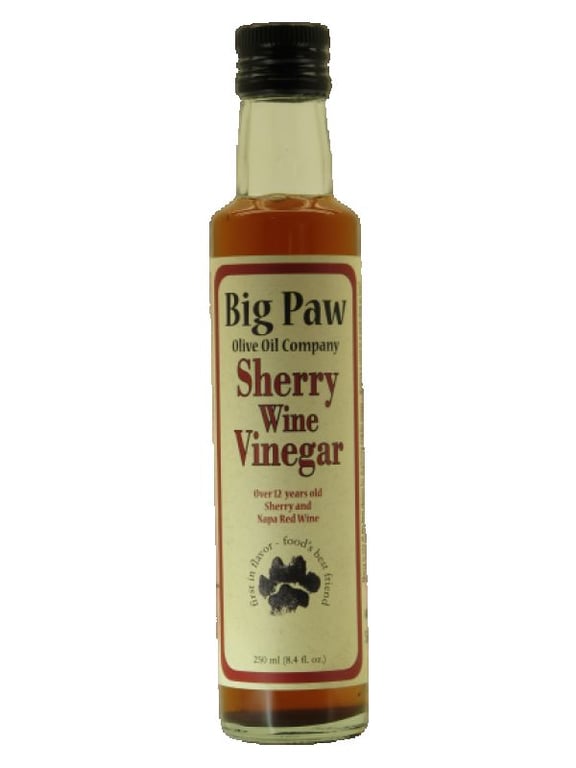
What Does Sherry Vinegar Taste Like?
Sherry vinegar is a wine vinegar traditionally produced in the Jerez region of Spain. It is made from sherry wine and aged in wooden barrels, which develop its distinctive flavor.
Compared to regular wine vinegar, sherry vinegar has a more complex taste with balanced acidity, mild sweetness, and nutty undertones.
Its flavor profile includes:
- Balanced acidity that adds brightness without overpowering other ingredients.
- Subtle nutty notes developed during aging.
- Mild sweetness that complements savory dishes.
- Rich, rounded flavors that work well in dressings and sauces.
Sherry vinegar is commonly used in Spanish cooking, particularly in gazpacho, vinaigrettes, marinades, and vegetable dishes.
What Is the Best Sherry Vinegar Substitute?
Red wine vinegar is one of the best sherry vinegar substitutes because it offers similar acidity and a wine-based flavor. However, it lacks the aged, nutty complexity of traditional sherry vinegar.
White wine vinegar is another good option for lighter dishes. Apple cider vinegar adds a fruity taste, while balsamic vinegar provides sweetness and richness.
Here is a comparison of the best alternatives to sherry vinegar.
Here is a comparison of the best alternatives to sherry vinegar.
| Substitute | Flavor Profile | Best Uses | Starting Ratio |
|---|---|---|---|
| Red wine vinegar | Tangy, robust | Marinades, sauces, dressings | 1:1 |
| White wine vinegar | Crisp, light | Vinaigrettes, seafood, vegetables | 1:1 |
| Apple cider vinegar | Fruity, mildly sweet | Dressings, marinades | 1:1 |
| Balsamic vinegar | Sweet, rich | Glazes, roasted vegetables | ½:1 |
| Champagne vinegar | Delicate, mild | Light dressings, seafood | 1:1 |
These ratios are starting points. Adjust the quantity based on your recipe and taste preferences.

Red Wine Vinegar as a Sherry Vinegar Substitute
Red wine vinegar is one of the closest alternatives to sherry vinegar. Both are made from wine and provide acidity that works well in savory recipes.
Red wine vinegar has a sharper taste and lacks the nutty notes of aged sherry vinegar. However, its acidity helps balance rich ingredients and enhance sauces.
You can use red wine vinegar in:
- Homemade vinaigrettes and Mediterranean salad dressings.
- Marinades for beef, chicken, and roasted vegetables.
- Pan sauces and reductions.
- Soups and stews that need acidity.
For most recipes, replace sherry vinegar with an equal amount of red wine vinegar. If the flavor is too sharp, add a small amount of honey to balance the acidity.
White Wine Vinegar as an Alternative to Sherry Vinegar
White wine vinegar is a good alternative to sherry vinegar when you want a lighter flavor. Its bright acidity complements delicate ingredients without adding too much richness.
This substitute works well in seafood dishes, chicken marinades, fresh vegetable salads, and light vinaigrettes.
Use a 1:1 substitution ratio and adjust to taste. For salad dressings, combine white wine vinegar with extra virgin olive oil, herbs, and seasonings.
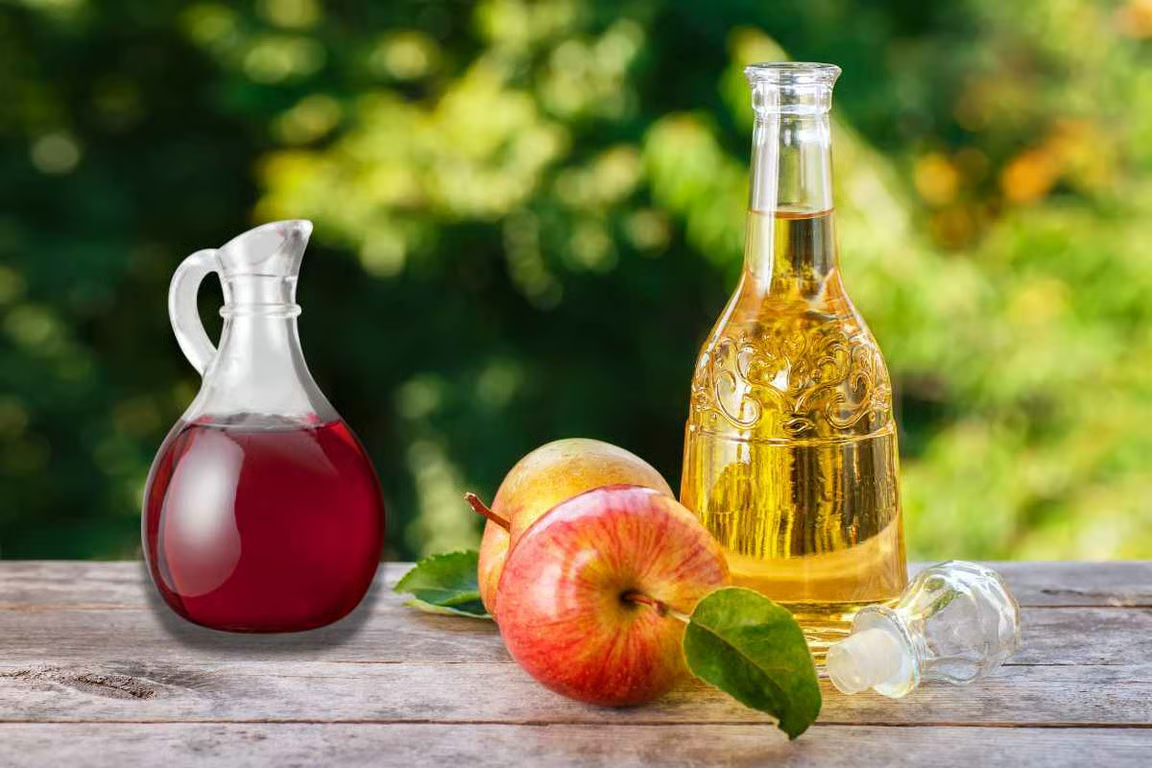
Apple Cider Vinegar for Everyday Recipes
Apple cider vinegar is another accessible sherry vinegar substitute. Made from fermented apple cider, it has a fruity flavor and noticeable acidity.
Although it lacks the nutty complexity of sherry vinegar, its fruitiness complements many recipes.
Apple cider vinegar works well in salad dressings, vegetable marinades, and sauces that benefit from mild fruity notes.
Start with an equal amount of apple cider vinegar and adjust to taste. If the vinegar flavor is too strong, reduce the quantity slightly.
Can You Substitute Balsamic Vinegar for Sherry Vinegar?
Yes, balsamic vinegar can replace sherry vinegar in certain recipes, although the flavor will be different.
Balsamic vinegar generally has a sweeter, richer taste and a darker color. Its sweetness can change the flavor of recipes that call for a sharper vinegar.
Balsamic vinegar works best in roasted vegetables, meat marinades, glazes, and rich salad dressings.
Start with half the amount of balsamic vinegar as the sherry vinegar required, then adjust to taste.
For example, if a recipe calls for two tablespoons of sherry vinegar, begin with one tablespoon of balsamic vinegar. This prevents the sweetness from overpowering the other ingredients.
When Champagne Vinegar Works Best
Champagne vinegar is a mild alternative to sherry vinegar that works well in lighter recipes.
Its acidity is generally softer than red wine vinegar, making it suitable for dishes that need a gentle tang.
Champagne vinegar is a good choice for:
- Fresh green salads and vinaigrettes.
- Seafood and light chicken dishes.
- Vegetable dishes with mild seasonings.
- Dressings made with extra virgin olive oil.
Use champagne vinegar in a 1:1 ratio and adjust the amount if your recipe needs more acidity.
How to Choose the Right Sherry Vinegar Substitution
The best sherry vinegar substitution depends on your recipe and the flavor you want. Consider the acidity and sweetness of each alternative before adding it to your dish.
For the best results:
- Choose red wine vinegar for hearty dishes, marinades, and rich sauces.
- Use white wine or champagne vinegar for seafood, light salads, and delicate ingredients.
- Select apple cider vinegar when a fruity flavor complements your recipe.
- Try balsamic vinegar for roasted vegetables, glazes, and dishes that benefit from sweetness.
You can also combine vinegars to achieve a more balanced flavor. For example, mixing red wine vinegar with a small amount of balsamic vinegar can add sweetness and depth.
For vinaigrettes, pair your chosen vinegar with a flavorful extra virgin olive oil. The oil helps balance acidity and creates a smooth dressing.
Frequently Asked Questions
Q: What is the closest substitute for sherry vinegar?
A: Red wine vinegar is one of the closest substitutes because it has similar wine-based acidity. Champagne vinegar and unseasoned rice vinegar are also suitable alternatives when you want a milder flavor.
Q: Can I use balsamic vinegar instead of sherry vinegar?
A: Yes, balsamic vinegar can replace sherry vinegar in recipes that benefit from sweetness and richness. Start with a smaller amount because balsamic vinegar has a sweeter flavor.
Q: Is apple cider vinegar a good sherry vinegar substitute?
A: Yes, apple cider vinegar works well in salad dressings, marinades, and sauces. Its fruity acidity makes it a useful alternative, although it lacks the nutty flavor of aged sherry vinegar.
Q: Can I use white wine vinegar as a sherry vinegar substitution?
A: Yes, white wine vinegar is a suitable sherry vinegar substitution for light vinaigrettes, seafood, and vegetable dishes. Start with an equal amount and adjust to taste.
Q: Where can I buy sherry vinegar?
A: Sherry vinegar is available at grocery stores, specialty food shops, gourmet markets, and online retailers. Look for Spanish sherry vinegar labeled Vinagre de Jerez for an authentic product.
Bring More Flavor to Your Recipes With Big Paw Olive Oil
The right combination of vinegar and olive oil can enhance your everyday cooking. From homemade vinaigrettes to vegetable marinades and Mediterranean dishes, quality ingredients help you create flavorful meals.
Explore the selection of extra virgin olive oils and balsamic vinegars at Big Paw Olive Oil to find ingredients for your dressings, marinades, and sauces.
