Fax : 1-973-799-0901
 Call us now: +1 408-464-9048


Olive Oil Nutrition Facts and Benefits
 Bryan,
 Feb 19, 2026
Olive oil is one of the most researched and most talked-about oils in the world, especially when people are looking for healthy fats that support long-term wellness. If you’ve searched for olive oil nutrition facts, you’re likely trying to understand what’s inside a tablespoon of olive oil and why extra virgin olive oil is so often connected to heart health. This article focuses on benefits, including cholesterol levels, blood pressure, inflammation, and overall heart disease risk, while keeping the nutrition facts clear and easy to use as a blog post.
Explore our collections here:
Extra Virgin Olive Oils
California Olive Oils

Olive Oil Nutrition Facts (Per 1 Tablespoon)
A standard serving size for olive oil nutrition facts is 1 tablespoon. Most labels list this as about 120 calories. Olive oil contains no carbohydrates, no sugar, and no protein. It is made up almost entirely of fat.
Typical nutrition facts for 1 tablespoon include:
- Calories: about 120 calories
- Total fat: about 14g
- Saturated fat: about 2g
- Monounsaturated fats: about 10g
- Polyunsaturated fat: about 1–2g
- Carbs: 0g
- Protein: 0g
- Sodium: 0mg
These numbers help explain why olive oil is widely recommended as part of a healthy eating pattern. It is calorie-dense, but its fat profile is strongly weighted toward unsaturated fats.
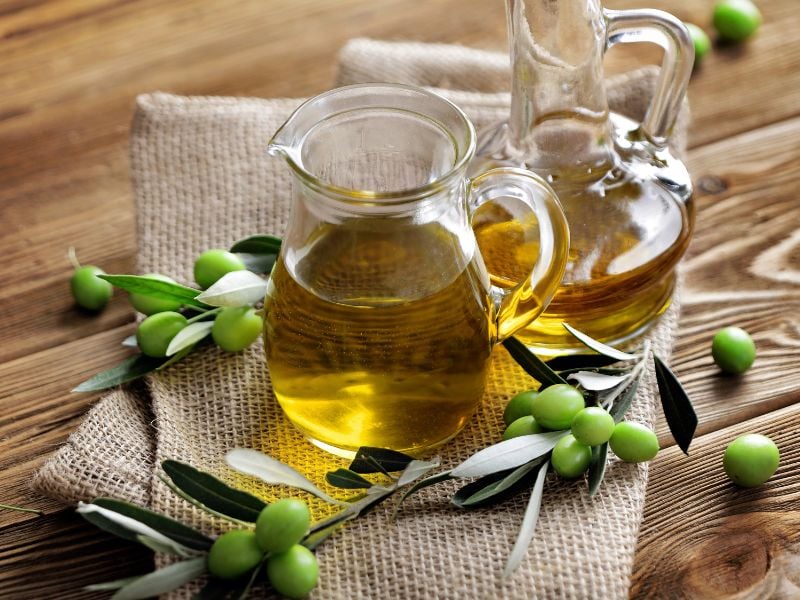
Extra Virgin Olive Oil Nutrition Facts: What’s Different?
From a calories and fat standpoint, extra virgin olive oil looks similar to other olive oils. The major difference is processing. Extra virgin olive oil is typically less processed, which helps preserve natural compounds found in olives. Because of this, extra virgin olive oil is commonly discussed for additional health benefits beyond basic fat intake, including antioxidant and anti-inflammatory support.
Shop extra virgin olive oil here:
Extra Virgin Olive Oils
Shop California olive oils here:
California Olive Oils
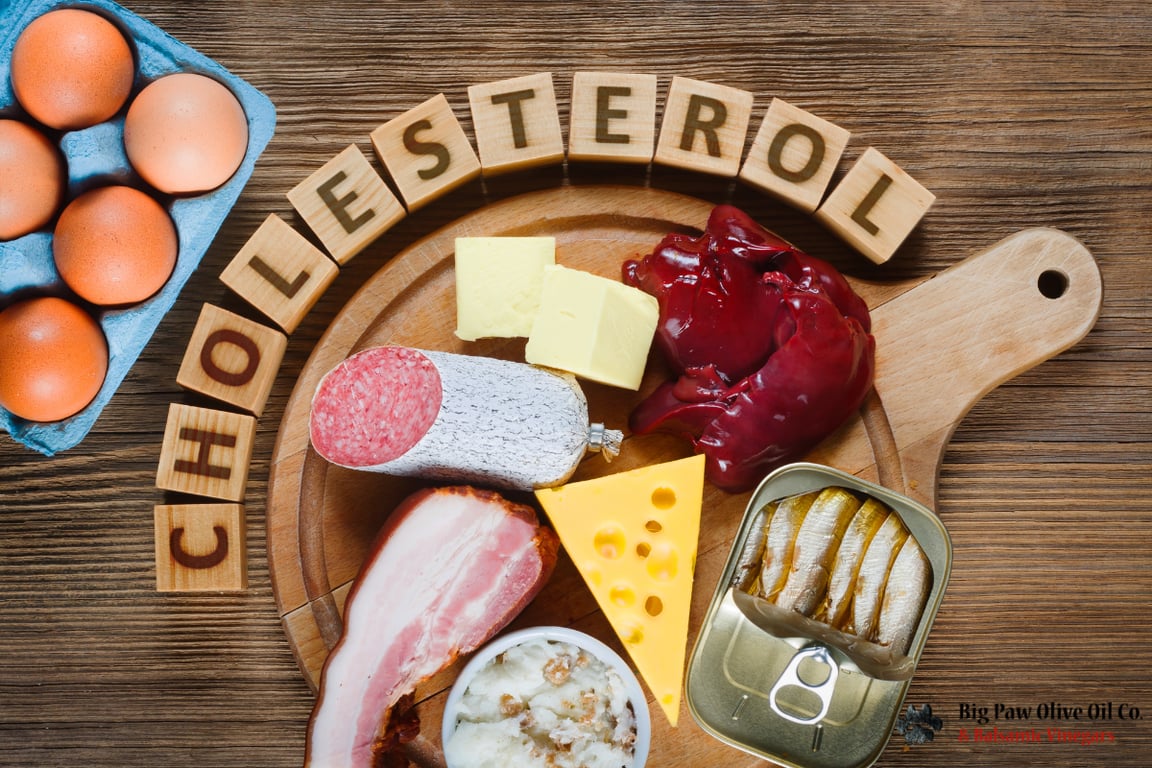
Benefit 1: Supports Healthier Cholesterol Levels
One of the best-known benefits of olive oil relates to cholesterol levels. Olive oil is high in monounsaturated fats, and diets that replace saturated fat with unsaturated fat are commonly associated with improved heart-related markers.
In practical terms, olive oil is often chosen to support:
- Lower LDL, commonly known as bad cholesterol, when used as a replacement for higher saturated fat foods
- Better overall cholesterol balance in the context of a healthy diet
- Heart-smart fat intake that supports long-term wellness goals
This is why olive oil is frequently included in heart-healthy eating patterns and why it is often recommended as a main household oil.

Benefit 2: Heart Disease Risk and What Research Often Shows
People often hear phrases like “study showed olive oil helps your heart.” The most accurate way to understand this is that olive oil tends to show benefits when it is used consistently and when it replaces fats higher in saturated fat. Many studies that connect olive oil to heart health examine broader dietary patterns, such as Mediterranean-style eating, where olive oil is a primary fat choice.
When used as part of a healthy pattern, olive oil is often linked to:
- Lower long-term risk of heart problems
- Better heart-related markers over time
- A more favorable balance of healthy fats compared with diets higher in saturated fat
Benefit 3: A Better Fat Profile Than Many Common Alternatives
When people compare oil nutrition facts, the balance of saturated fat, monounsaturated fats, and polyunsaturated fat is one of the most important differences.
Olive oil tends to stand out because:
- It has relatively low saturated fat compared with many animal fats and some tropical oils
- It is rich in monounsaturated fats
- It includes some polyunsaturated fat as well
This balance is a big reason olive oil is widely seen as one of the most reliable healthy fats for daily dietary patterns.
Benefit 4: Anti-Inflammatory Potential (Especially With Extra Virgin Olive Oil)
Another reason extra virgin olive oil is so popular is the ongoing interest in its anti-inflammatory potential. Extra virgin olive oil is typically less processed and often retains more of the natural compounds from olives. These compounds are commonly discussed in relation to oxidative stress and the body’s normal inflammatory response.
While individual results can vary, many people choose extra virgin olive oil specifically because they want:
- A minimally processed oil
- A fat source aligned with heart-conscious eating patterns
- A food commonly associated with anti-inflammatory benefits
Explore our extra virgin selection here:
Extra Virgin Olive Oils
Benefit 5: Supports Blood Pressure Goals in a Heart-Healthy Lifestyle
Blood pressure is another topic that frequently comes up when discussing olive oil benefits. Olive oil is often used in dietary patterns connected to cardiovascular wellness. While olive oil is not a treatment for high blood pressure, it can support heart-friendly goals when it replaces less healthy fats and is used within an overall balanced diet.
This is why olive oil is commonly included in nutrition approaches that focus on:
- Long-term cardiovascular support
- Improved heart markers
- Better fat quality in the diet

Benefit 6: Heart Health, Blood Clotting, and Cardiovascular Support
People sometimes ask about olive oil and blood clotting because olive oil is closely linked to heart health topics. The body’s clotting process is complex and influenced by many factors. In general wellness conversations, olive oil is typically viewed as a heart-smart fat choice that supports cardiovascular goals when used as part of a balanced diet.
If someone has a medical condition related to blood clotting or uses blood-thinning medication, they should speak with a clinician before making major dietary changes. For most people, olive oil remains one of the most widely recommended fats for heart-conscious eating.
Benefit 7: Olive Oil vs Canola Oil for Heart-Friendly Fats
Many people compare olive oil with canola oil. Both can be part of a balanced diet, and both contain mostly unsaturated fats. Canola oil is often chosen for its neutral taste, while olive oil is often chosen for its flavor and strong association with Mediterranean-style eating patterns.
Reasons people often choose olive oil include
- High monounsaturated fat content
- Strong reputation for supporting cholesterol levels and heart wellness
- Extra virgin options that are valued for minimal processing
If you want to browse our olive oils:
Extra Virgin Olive Oils
California Olive Oils
Benefit 8: A Simple Upgrade That Fits Part of a Healthy Diet
One of the biggest benefits of olive oil is how easily it fits into a balanced lifestyle. Because it is widely used across many cuisines and commonly chosen as a replacement fat, it can support better fat intake without requiring complicated changes.
When used as part of a healthy approach, olive oil is most often connected to:
- Health benefits tied to better fat quality
- Lower saturated fat intake compared to many alternatives
- Support for long-term heart health goals

Summary: Olive Oil Benefits at a Glance
Olive oil nutrition facts show a calorie-dense food that is mostly fat, but the type of fat is the key. Olive oil is rich in monounsaturated fats, contains some polyunsaturated fat, and has relatively low saturated fat. These characteristics are why olive oil is so often discussed for health benefits related to cholesterol levels, heart disease risk, and overall cardiovascular wellness. Extra virgin olive oil is especially popular because it is less processed and commonly associated with anti-inflammatory support.
Explore Big Paw Olive Oil:
Extra Virgin Olive Oils
California Olive Oils
Flavored Olive Oils