

 Fax : 1-973-799-0901
 Call us now: +1 408-464-9048


How to Make Garlic Bread With Olive Oil Instead of Butter
 Bryan,
 Oct 20, 2026
Garlic bread is a popular side dish for pasta, soups, salads, and Italian-inspired meals. While traditional recipes often use butter, you can make delicious garlic bread with olive oil instead. The result is golden, crispy bread with a rich garlic flavor and a tender center.
Making garlic bread with oil instead of butter is simple. You only need a few ingredients, including fresh bread, extra virgin olive oil, garlic, and herbs. Olive oil coats the bread evenly, helps create crispy edges, and adds flavor to every bite.
Whether you want a dairy-free alternative to butter or enjoy cooking with olive oil, this recipe explains how to prepare garlic bread in the oven, choose the right ingredients, and customize the flavor.
Can You Make Garlic Bread With Olive Oil Instead of Butter?
Yes, olive oil is an excellent substitute for butter when making garlic bread. It helps the bread develop a crispy surface while keeping the inside tender.
Butter provides a creamy, rich flavor, while olive oil adds fruity, peppery, or mild notes depending on the variety you choose. When combined with fresh garlic and herbs, olive oil creates a flavorful topping that complements crusty bread.
There are several reasons to make garlic bread with olive oil instead of butter:
- Dairy-free alternative: Olive oil contains no dairy, making it suitable for people who avoid butter.
- Crispy texture: Olive oil coats the bread evenly and helps it become golden brown in the oven.
- Easy preparation: There is no need to soften or melt butter before preparing the garlic mixture.
- Versatile flavor: Olive oil pairs well with garlic, parsley, oregano, rosemary, and other seasonings.
- Unsaturated fats: Olive oil contains mostly monounsaturated fats, making it a useful alternative to butter in everyday cooking.
The key is using enough olive oil to coat the bread without making it greasy.
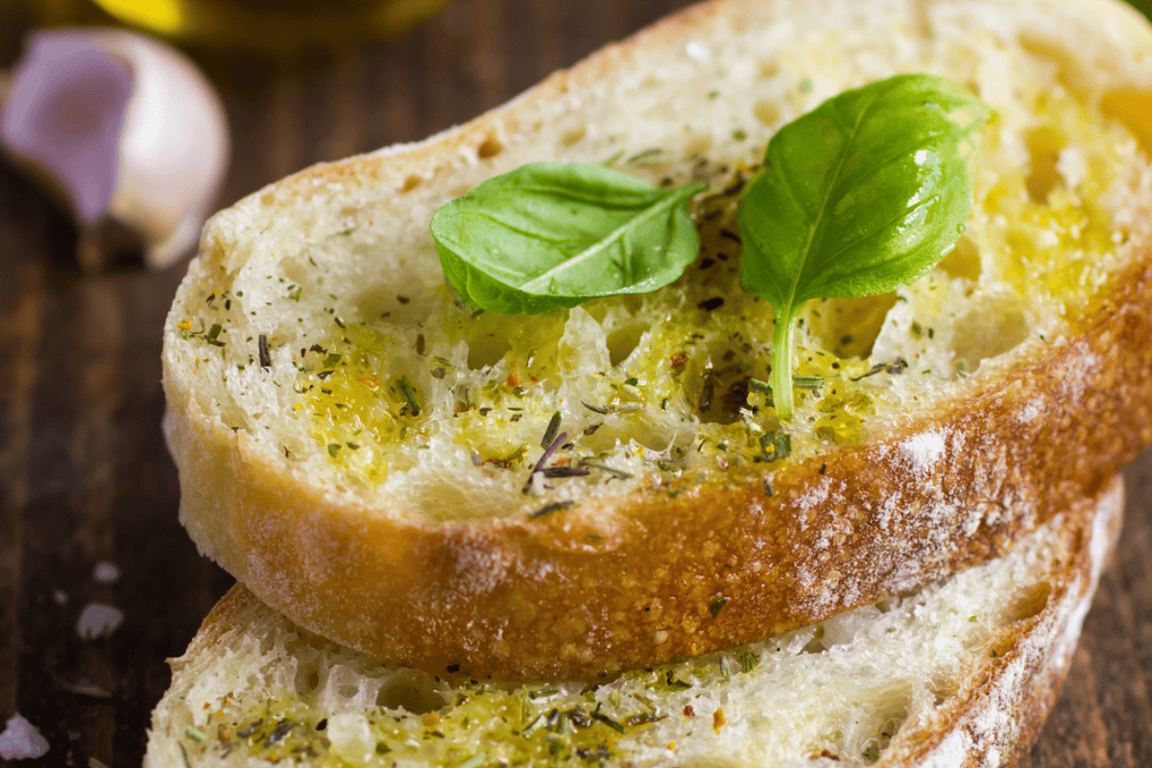
Ingredients for Garlic Bread With Olive Oil
This easy recipe uses ingredients you may already have in your kitchen.
- 1 loaf of French bread or Italian bread
- ¼ cup extra virgin olive oil
- 3–4 garlic cloves, finely minced
- 2 tablespoons fresh parsley, chopped
- ½ teaspoon dried oregano (optional)
- ¼ teaspoon salt, or to taste
- ¼ teaspoon freshly ground black pepper
- 2 tablespoons grated Parmesan cheese (optional)
For additional flavor, try using Big Paw Olive Oil's Garlic Flavored Extra Virgin Olive Oil or Rosemary & Garlic Flavored Extra Virgin Olive Oil. These flavored oils can simplify preparation while adding garlic and herbal notes to your bread.
How to Make Garlic Bread With Olive Oil: Step-by-Step Recipe
Follow these steps to prepare homemade garlic bread with a crispy crust and flavorful garlic topping.
Step 1: Preheat Your Oven
Preheat your oven to 400°F (200°C). Line a baking sheet with parchment paper or use an unlined baking sheet.
Slice the loaf in half lengthwise to create two long pieces. Place the bread cut-side up on the baking sheet.
Step 2: Prepare the Garlic Olive Oil Mixture
Combine the olive oil, minced garlic, parsley, oregano, salt, and black pepper in a small bowl.
Stir until the garlic and herbs are evenly distributed throughout the oil.
For a stronger garlic flavor, let the mixture sit for approximately five minutes before using it.
Step 3: Brush the Bread With Olive Oil
Use a pastry brush or spoon to spread the garlic mixture evenly over the cut surfaces of the bread.
Make sure the oil reaches the edges, but avoid adding too much in one area. Excess oil can make the bread greasy.
If you want cheesy garlic bread, sprinkle grated Parmesan or shredded mozzarella over the bread before baking.
Step 4: Bake Until Golden and Crispy
Place the baking sheet on the middle oven rack and bake for approximately 8–12 minutes.
Check the bread toward the end of the cooking time. The edges should become golden brown, and the surface should feel lightly crisp.
If you prefer a crunchier finish, broil for an additional 30–60 seconds. Watch closely because garlic and bread can burn quickly under the broiler.
Step 5: Slice and Serve
Remove the garlic bread from the oven and let it cool briefly.
Cut it into individual slices and serve warm. Add fresh parsley or grated Parmesan cheese if desired.
You can also drizzle a small amount of extra virgin olive oil over the finished bread for additional flavor.
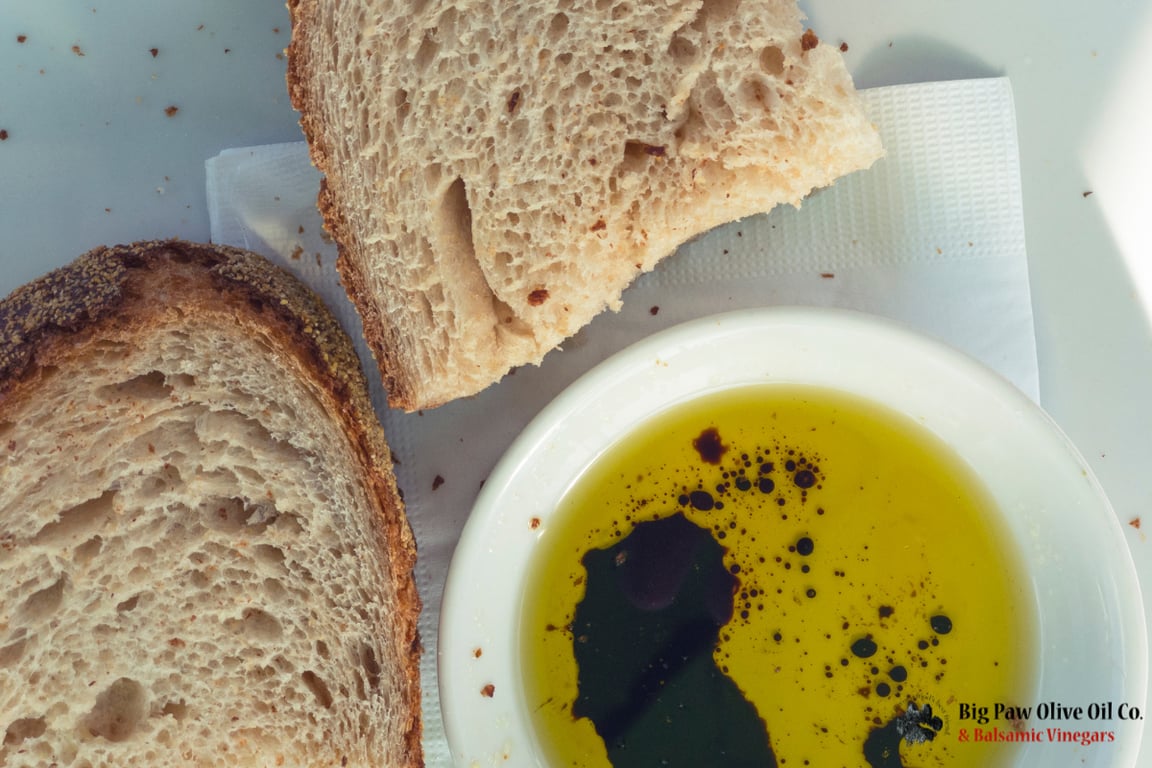
What Is the Best Olive Oil for Garlic Bread?
Extra virgin olive oil is an excellent choice for garlic bread because it adds flavor and helps the bread toast evenly.
The best option depends on the flavor you want to achieve.
Extra Virgin Olive Oil
Good-quality extra virgin olive oil adds richness to garlic bread without requiring butter.
Mild varieties complement the garlic without overpowering it, while more robust oils introduce peppery or grassy notes.
Explore Big Paw California Olive Oils to find options for homemade garlic bread and everyday cooking.
Garlic-Infused Olive Oil
Garlic-infused olive oil is a convenient choice when you want garlic flavor without preparing a mixture entirely from scratch.
You can use it alone or combine it with freshly minced garlic for a stronger flavor.
Big Paw Olive Oil's Garlic Flavored Extra Virgin Olive Oil is an option for garlic bread, pasta, roasted vegetables, and other savory dishes.
Rosemary and Garlic Olive Oil
Rosemary and garlic are a classic combination in Mediterranean cooking.
Rosemary adds an earthy, herbal flavor that complements toasted bread, pasta, and roasted vegetables.
Big Paw's Rosemary & Garlic Flavored Extra Virgin Olive Oil combines these flavors in one bottle, making it a convenient choice for homemade garlic bread.

Tips for Making the Best Garlic Bread Without Butter
Small changes to the ingredients and cooking method can make a noticeable difference in the finished garlic bread.
Choose the Right Bread
French bread, Italian bread, sourdough, and ciabatta are all good choices for garlic bread.
French bread develops a crispy exterior while keeping its center tender. Ciabatta has an airy texture that absorbs olive oil, while sourdough adds a slightly tangy flavor.
Avoid bread that is too thin if you want a tender center. Thin slices can become overly crunchy during baking.
Use Fresh Garlic for Stronger Flavor
Freshly minced garlic provides a more pronounced aroma than garlic powder.
However, garlic powder is useful when you want a milder, more evenly distributed flavor.
Start with approximately ½ teaspoon of garlic powder in place of fresh garlic and adjust according to your preference.
Do Not Use Too Much Olive Oil
Adding too much olive oil can leave the bread heavy or greasy.
For one medium loaf, ¼ cup of olive oil is a good starting point. Adjust the quantity based on the size and thickness of the bread.
Use a pastry brush to distribute the mixture evenly.
Watch the Baking Time
Garlic bread can brown quickly, particularly when using a convection oven or broiler.
Check the bread after approximately eight minutes and remove it once the edges are golden and the surface is lightly crisp.
If the garlic begins to darken before the bread is ready, reduce the oven temperature slightly or cover the bread loosely with foil.
Delicious Variations of Olive Oil Garlic Bread
Once you know how to make garlic bread with oil instead of butter, you can experiment with different ingredients.
Cheesy Garlic Bread With Olive Oil
Sprinkle shredded mozzarella or grated Parmesan over the bread before baking.
The cheese melts into the garlic mixture, creating a savory topping. You may need an additional minute or two of baking to melt the cheese completely.
Keep in mind that adding regular cheese means the recipe will no longer be dairy-free.
Rosemary Garlic Bread
Add finely chopped fresh rosemary to the garlic olive oil mixture for an herbal flavor.
Alternatively, use Big Paw Rosemary & Garlic Flavored Extra Virgin Olive Oil to simplify the preparation.
This variation pairs especially well with pasta, roasted chicken, and vegetable soups.
Spicy Garlic Bread
Mix a pinch of crushed red pepper flakes into the olive oil before brushing it onto the bread.
You can also experiment with a small amount of chili-flavored olive oil for additional heat.
Start with a small quantity and adjust according to your preferred spice level.
Garlic Bread With Fresh Herbs
Combine parsley, basil, and oregano for a fragrant herb topping.
Fresh herbs provide a bright flavor, while dried herbs are convenient for everyday cooking.
If using dried herbs, start with a smaller amount because their flavor is more concentrated.
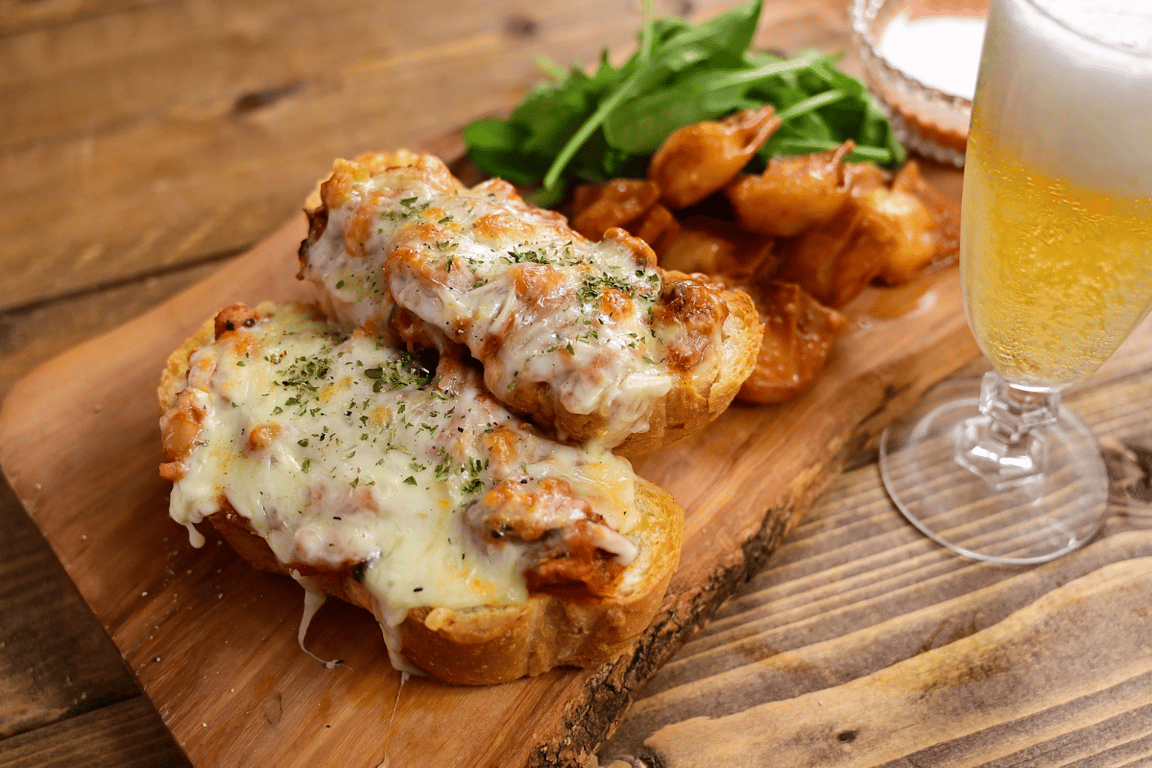
What to Serve With Olive Oil Garlic Bread
Garlic bread with olive oil pairs well with many meals. Its crispy texture makes it especially suitable for dishes with sauces or broths.
Try serving it alongside:
- Pasta: Spaghetti, lasagna, fettuccine Alfredo, or pasta with tomato sauce.
- Soups: Tomato soup, minestrone, vegetable soup, or lentil soup.
- Salads: Caesar salad, Greek salad, or a green salad with balsamic vinaigrette.
- Grilled dishes: Grilled chicken, roasted vegetables, or baked fish.
- Appetizers: Olives, cheese, roasted peppers, or an olive oil dipping platter.
You can also serve garlic bread with a small bowl of seasoned olive oil for dipping.
Explore Big Paw's Dippers, Dressings, and Marinades for additional serving ideas.
How to Store and Reheat Leftover Garlic Bread
Homemade garlic bread tastes best when served fresh, but you can store leftovers for another meal.
Refrigerating Garlic Bread
Allow the bread to cool briefly, then transfer it to an airtight container or wrap it securely.
Refrigerate within two hours of baking and consume within 3–4 days.
Freezing Garlic Bread
For longer storage, wrap individual slices tightly and place them in a freezer-safe bag.
Freeze for up to 2–3 months for the best quality.
Freezing individual portions makes it easier to reheat only what you need.
Reheating Garlic Bread
To restore the crispy texture, preheat your oven to 350°F (175°C).
Place the bread on a baking sheet and heat for approximately 5–8 minutes, or until hot throughout.
Frozen slices may require additional time.
Avoid reheating garlic bread in the microwave if you want to maintain its crispy texture.
Frequently Asked Questions
Q: Can you use olive oil instead of butter for garlic bread?
A: Yes. Olive oil can replace butter in garlic bread recipes. It helps toast the bread, creates crispy edges, and adds flavor. For a simple recipe, combine extra virgin olive oil with minced garlic, herbs, and seasonings. Brush the mixture onto the bread before baking until golden brown.
Q: Is garlic bread better with butter or olive oil?
A: Both ingredients make delicious garlic bread, but the flavor and texture differ. Butter provides a creamy, rich taste, while olive oil adds fruity or peppery notes depending on the variety. Olive oil is also dairy-free, making it suitable for people who avoid butter.
Q: Can you make garlic bread with olive oil and garlic powder?
A: Yes. Garlic powder is a convenient substitute for fresh garlic. Mix approximately ½ teaspoon of garlic powder with ¼ cup of olive oil, then add salt and herbs. Brush the mixture onto the bread and bake until golden. Adjust the garlic powder according to your preferred flavor.
Q: What temperature should you bake garlic bread with olive oil?
A: Bake garlic bread with olive oil at 400°F (200°C) for approximately 8–12 minutes. The exact baking time depends on the thickness of the bread and your oven. Remove the bread once the edges are golden brown and the surface becomes lightly crisp.
Q: Can you make garlic bread with olive oil in an air fryer?
A: Yes. Preheat your air fryer to approximately 350°F (175°C). Brush the bread with the garlic olive oil mixture and arrange the slices in a single layer. Cook for about 3–5 minutes, checking frequently. Cooking times vary depending on the air fryer and bread thickness.
Make Flavorful Garlic Bread With Big Paw Olive Oil
Making garlic bread with olive oil instead of butter is an easy way to enjoy a classic side dish with a different flavor. With fresh bread, garlic, herbs, and quality olive oil, you can prepare crispy, homemade garlic bread in approximately 20 minutes.
For additional flavor, try Big Paw Olive Oil's Garlic Flavored Extra Virgin Olive Oil or Rosemary & Garlic Flavored Extra Virgin Olive Oil. Both provide an easy way to add garlic flavor to bread, pasta, roasted vegetables, and other homemade dishes.
Explore the collection of California olive oils at Big Paw Olive Oil and find the right oil for your next recipe.
