Fax : 1-973-799-0901
 Call us now: +1 408-464-9048


Early Harvest vs. Late Harvest Olive Oil: What’s the Difference?
 Bryan,
 Aug 23, 2026
If you’ve ever stood in the pantry aisle wondering why one bottle tastes bold and peppery while another is smooth and mellow, the answer may come down to when the olives were harvested. The early harvest vs late harvest olive oil debate is really about ripeness. Early harvest olive oil comes from olives picked earlier in the ripening process, while late harvest olive oil is made from olives that have been allowed to mature further on the tree. Neither is automatically “better” and it’s best to think of them as two different personalities in your kitchen—with one that brings the big, green, punchy energy and the other keeping things smooth and easygoing. In the end, the best choice depends on your taste preferences and what you’re cooking.
What Is Early Harvest Olive Oil?
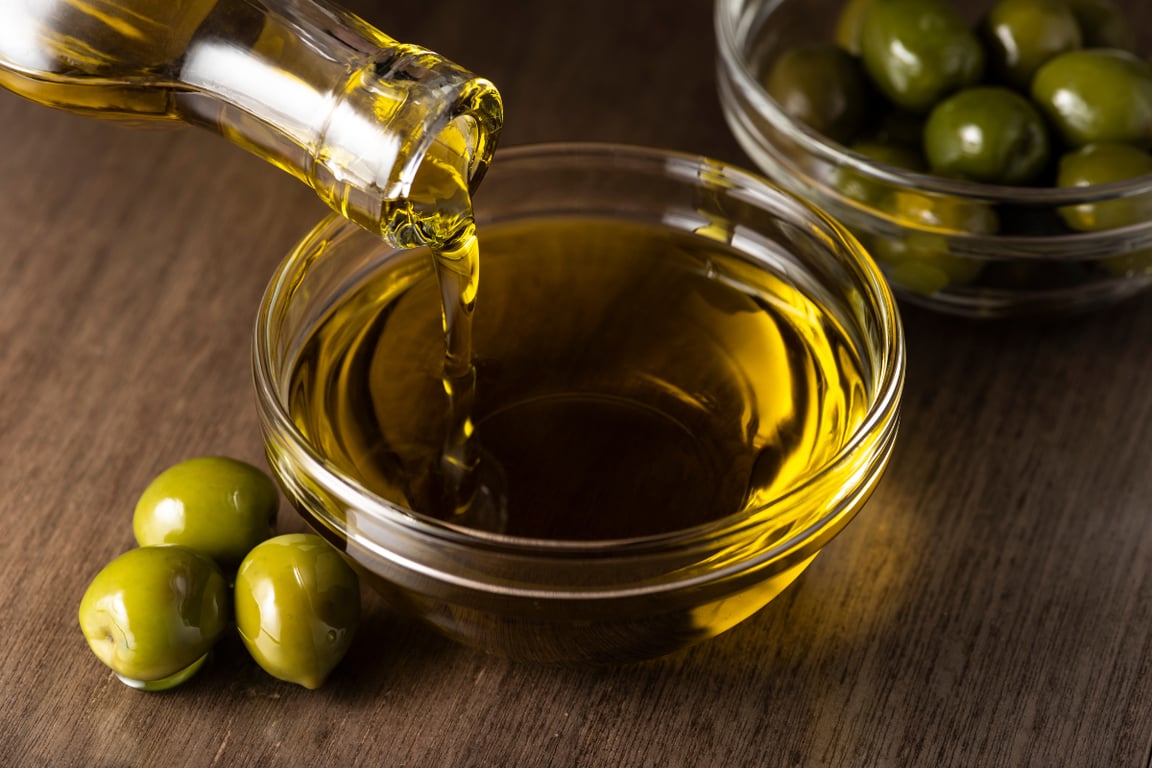
Early harvest olive oil is made from olives picked while they are still relatively green and less mature. At this stage, the olives typically contain less oil, but they can produce an extra virgin olive oil with an especially vibrant flavor and aroma—expect notes that can remind you of freshly cut grass, green herbs, leafy vegetables, and fresh fruit. Many early harvest oils also have a distinctive peppery finish that gives your palate a little kick.
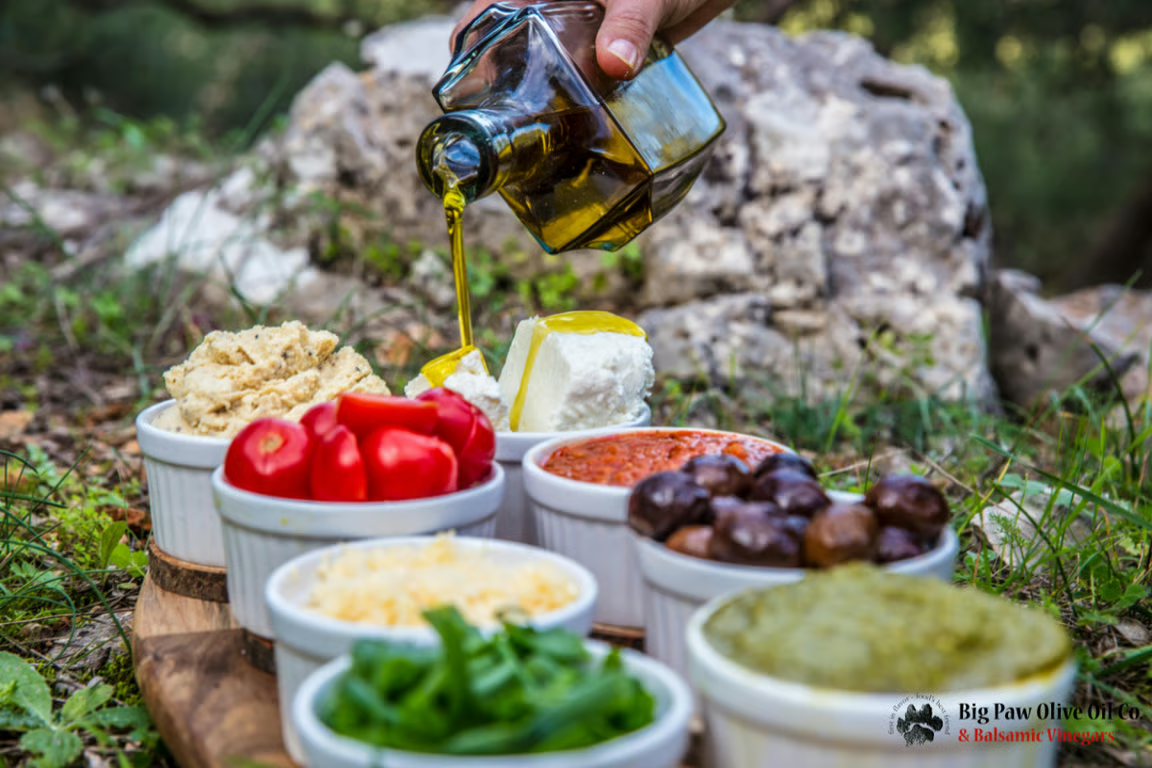
If you’re a chef who loves an olive oil that announces itself, early harvest EVOO can be a fantastic choice. A drizzle over crusty sourdough, roasted vegetables, or a simple tomato salad can turn an everyday dish into something that tastes straight out of a sunny California kitchen.
What Is Late Harvest Olive Oil?
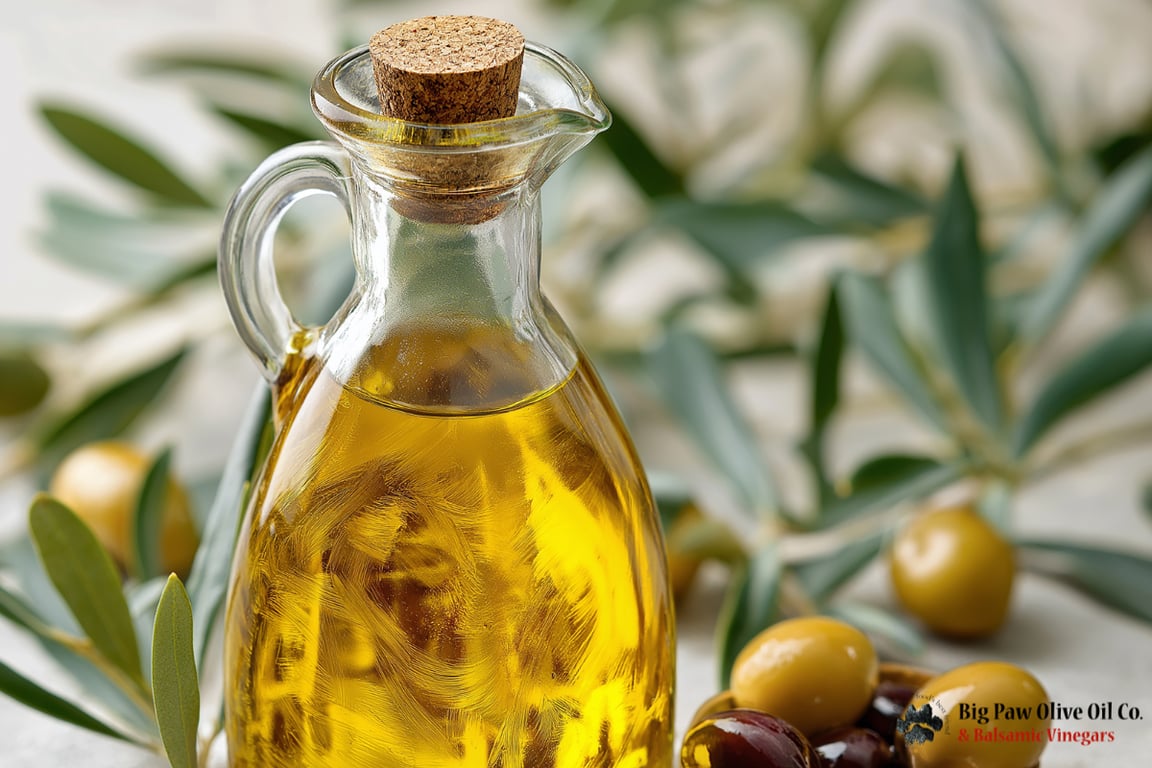
Late harvest olive oil comes from olives that have matured further before they are picked. As olives ripen, their color, texture, flavor, and oil content change, which creates a different style of finished oil. Compared with early harvest oils, late harvest varieties tend to have a smoother, softer, and more mellow character.
Additionally, you may even notice riper fruit notes and less of that intense green or peppery bite. That makes late harvest oil a friendly everyday option. It can blend beautifully into marinades, sauces, baked goods, and other recipes where you want the richness of olive oil without having its flavor take center stage.
Early Harvest vs. Late Harvest Olive Oil: Key Differences
Flavor and Aroma
The most obvious difference is what happens when you take a sip.
Early harvest: Think green, grassy, herbaceous, peppery, and robust. These oils can have a lively bitterness and pungency that make them especially fun for finishing dishes.
Late harvest: Think ripe, fruity, smooth, and mellow. The flavor is generally softer, making it easy to incorporate into recipes without overpowering other ingredients.
It's a little like choosing between a crisp, herb-packed salsa and a mellow tomato sauce. Both are delicious—the mood just changes.
Polyphenols and Pepperiness
Early harvest oils are often associated with higher levels of naturally occurring polyphenols, although the exact amount varies based on olive variety, growing conditions, harvest timing, processing, and storage.
Polyphenols are naturally occurring plant compounds that contribute to an olive oil's characteristics. Some of them are also responsible for the bitterness and peppery sensation you notice in robust extra virgin olive oils. That throat-catching finish in a young, vibrant EVOO? That's part of the experience. If you like your olive oil with a little personality, early harvest is worth exploring.
Oil Yield
Here's where the olive grower has a different perspective. Less mature olives generally contain less oil than fully ripened fruit, meaning early harvest can produce a lower oil yield. More mature olives tend to produce more oil, making late harvesting more efficient from a yield perspective. Of course, yield isn't the only consideration. Harvest timing is an important part of determining an oil's flavor profile and overall character.
Which Olive Oil Is Better for Cooking?
Instead of asking which harvest style is universally “better,” think about which one is better for the dishes you cook most often.
Early harvest olive oil works beautifully for:
- Bread dipping
- Salad dressings
- Finishing vegetables
- Soups
- Pasta
- Dishes where bold EVOO flavor matters
Late harvest olive oil works well for:
- Roasting
- Everyday cooking
- Marinades
- Sauces
- Baking
- Dishes where you want a smoother olive oil flavor
For everyday meals, late harvest oil can be an easy-going kitchen staple. It plays nicely with other ingredients and lets the rest of the recipe shine. And yes, you can absolutely cook with extra virgin olive oil. The idea that EVOO should only be used as a finishing oil doesn't hold up. The key is choosing an oil whose flavor suits the recipe and using it appropriately for the cooking method.
Early Harvest Koroneiki vs. Late Harvest Arbosana
Two oils harvested at different stages can taste very different, but the olive cultivar itself also has a major influence on the final flavor. While Koroneiki olives are known for producing oils with a lively, robust character, often featuring green, herbaceous notes and noticeable pungency, an early harvest Koroneiki can be an excellent pick for cooks who love bold EVOO flavor. Arbosana, meanwhile, can offer a different sensory profile, with ripe fruit characteristics and a smoother personality depending on harvest timing and production. Additionally, a late harvest Arbosana can be a great option when you're looking for an approachable, mellow oil for everyday cooking. So, when comparing early harvest Koroneiki vs. late harvest Arbosana, you're not just comparing harvest dates, you're comparing olive varieties, too.
Which Harvest Style Should You Choose?
The easiest answer? Choose the oil that makes you want to cook. If you love grassy aromas, a peppery finish, and bold olive flavor, an early harvest EVOO may become your new favorite finishing oil. If you prefer something smooth, fruity, and versatile enough for everyday recipes, late harvest olive oil may be the better fit. Better yet, keep both in your kitchen. Use the bold stuff when a dish needs a finishing flourish, and reach for the mellow bottle when you're roasting vegetables, whisking together a marinade, or baking something delicious.
At Big Paw Olive Oil Company, exploring olive oil is part of the fun. There doesn't have to be one winner in the early harvest vs late harvest olive oil matchup. Sometimes the best answer is simply: Why not both?
Frequently Asked Questions
Q: Is early harvest olive oil better than late harvest olive oil?
A: Early and late harvest oils offer different flavor profiles. Early harvest oils tend to be greener, more robust, and pepperier, while late harvest oils are generally smoother, fruitier, and more mellow. The best option depends on your personal taste and how you plan to use it.
Q: Does early harvest olive oil have more polyphenols?
A: Early harvest olive oil is often associated with higher polyphenol levels, but the actual amount can vary based on olive variety, growing conditions, harvest timing, extraction, and storage. If polyphenol content is important to you, check the producer's specific information for the oil you're considering.
Q: Why is early harvest olive oil more peppery?
A: The peppery sensation in early harvest EVOO is influenced by naturally occurring compounds, including certain polyphenols. It is a characteristic of many fresh, robust olive oils and can create that pleasantly spicy sensation at the back of your throat.
Q: Does Big Paw Olive Oil offer both early and late harvest extra virgin olive oils?
A: Big Paw Olive Oil Company offers a selection of extra virgin olive oils, including oils made from different olive varieties and harvest styles. Explore the current collection to find the flavor profile that best fits your kitchen.
Q: Can I cook with early harvest extra virgin olive oil?
A: Absolutely. Early harvest extra virgin olive oil can be used for cooking, sautéing, roasting, and other everyday kitchen applications. Its bold flavor can be especially enjoyable in dishes where you want the olive oil's green, peppery character to come through.