Fax : 1-973-799-0901
 Call us now: +1 408-464-9048


Does Olive Oil Have Saturated Fat?
 Bryan,
 May 14, 2026
Olive oil has a reputation as one of the healthiest oils you can keep in your kitchen, but many people still have one important question: Does olive oil have saturated fat?
The answer is yes, olive oil does contain saturated fat. However, the amount is relatively small compared to the amount of unsaturated fat it provides. Most of the fat in olive oil is monounsaturated, the type commonly associated with the Mediterranean diet and heart-healthy eating.
So while olive oil is not completely free of saturated fat, it is still very different from butter, shortening, lard, and other fats that are much higher in saturated fat. For most kitchens, extra virgin olive oil is a flavorful, versatile, and better everyday choice.
What Is Saturated Fat?
Saturated fat is a type of dietary fat found in both animal-based and plant-based foods. It is commonly found in foods such as butter, cheese, fatty meats, cream, coconut oil, and palm oil.
Most health organizations recommend limiting saturated fat and choosing more unsaturated fats instead. This does not mean all fat is bad. Your body needs fat for energy, nutrient absorption, hormone production, and overall health. The key is choosing the right kinds of fat most of the time.
That is where olive oil stands out. It contains fat, including some saturated fat, but its overall fat profile is mostly unsaturated.
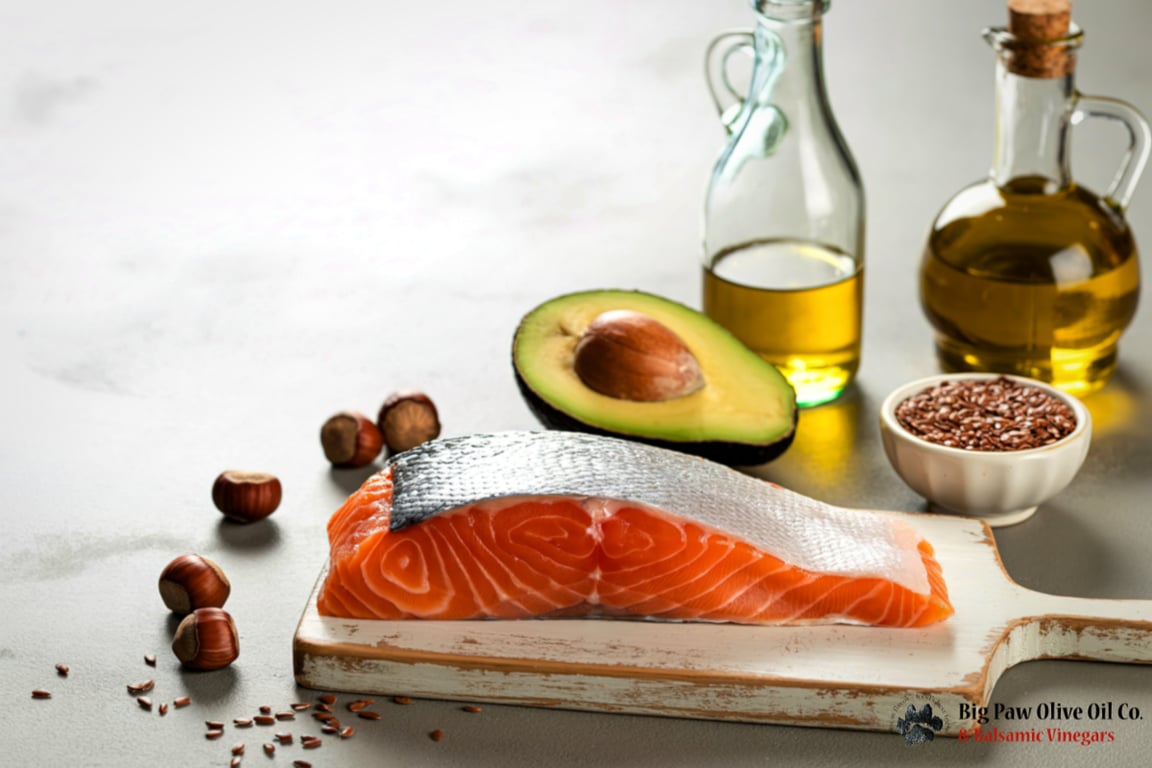
How Much Saturated Fat Is in Olive Oil
One tablespoon of olive oil contains about 14 grams of total fat. Of that, only a small portion is saturated fat. The majority is monounsaturated fat, with a smaller amount of polyunsaturated fat.
This makes olive oil a smart replacement for saturated fats. For example, using olive oil instead of butter when cooking vegetables, making salad dressing, or finishing bread can help shift your meals toward more unsaturated fats.
That small change can make a big difference over time, especially if you cook at home often.
Does Extra Virgin Olive Oil Have Saturated Fat
Yes, does extra virgin olive oil has saturated fat is a common question, and the answer is yes. Extra virgin olive oil does contain a small amount of saturated fat because it is still an oil made entirely of fat.
However, extra virgin olive oil is mostly made up of unsaturated fats, especially monounsaturated fats. It also contains naturally occurring plant compounds that contribute to its flavor, aroma, and quality.
The “extra virgin” label refers to how the oil is produced. Extra virgin olive oil is made from olives using mechanical methods, without heavy refining. This helps preserve its natural taste and many of the qualities that make olive oil so valued.
At Big Paw Olive Oil, extra virgin olive oil is more than just a cooking oil. It is an ingredient that brings richness, freshness, and character to everyday meals.
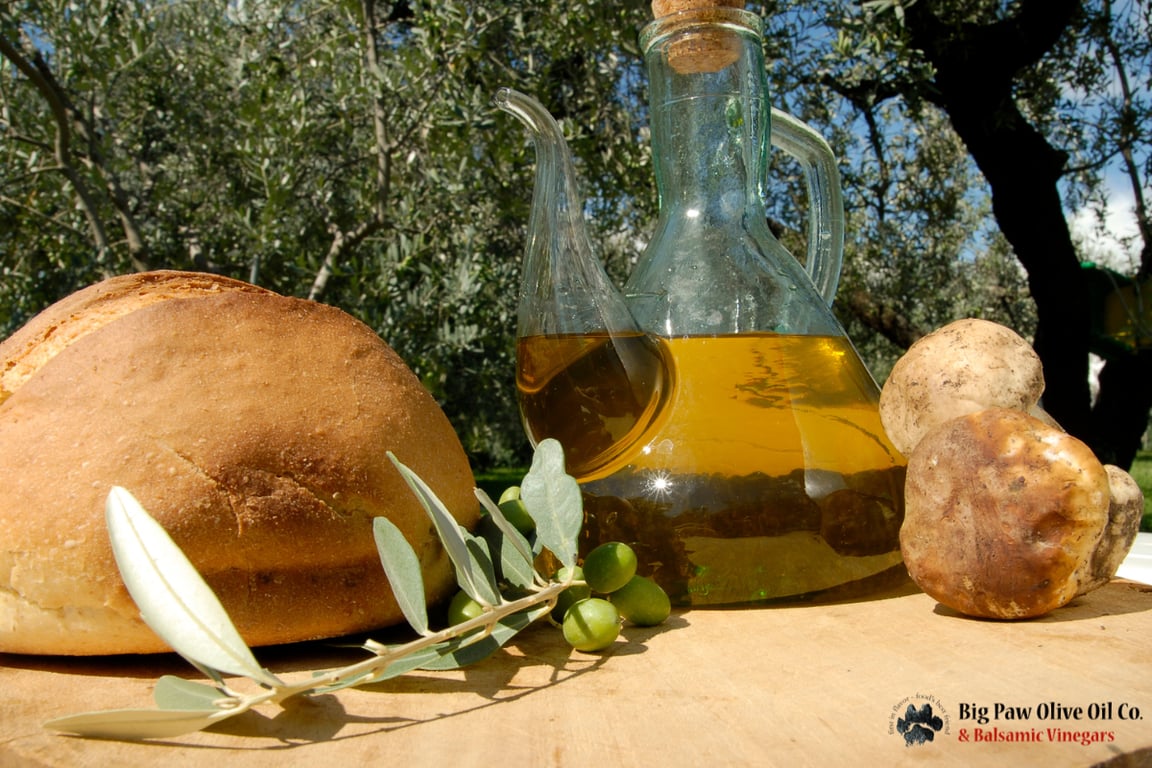
Cholesterol in Olive Oil
When people search for olive oil cholesterol, they are usually asking one of two things: does olive oil contain cholesterol, or can olive oil fit into a cholesterol-conscious diet?
First, olive oil contains no cholesterol. Cholesterol is found in animal-based foods, not plant oils. Since olive oil comes from olives, it is naturally cholesterol-free.
Second, olive oil can be part of a diet that supports healthier cholesterol levels, especially when it replaces foods high in saturated fat. For example, swapping butter for olive oil in cooking is a simple way to reduce saturated fat while adding more unsaturated fat.
This does not mean olive oil should be used without limits. It is still calorie-dense, so portion size matters. But when used thoughtfully, olive oil is one of the best fats to keep in your pantry.
Olive Oil vs. Butter: Which Has More Saturated Fat
Butter contains much more saturated fat than olive oil. That is one of the biggest reasons people choose olive oil as a better everyday option.
Butter can be delicious, but it is higher in saturated fat and contains cholesterol because it comes from dairy. Olive oil, on the other hand, is plant-based, cholesterol-free, and mostly unsaturated fat.
You do not have to give up every food you enjoy. But for daily cooking, roasting, dipping, dressing, and finishing, olive oil is often the better choice.
Try using extra virgin olive oil:
- On roasted vegetables
- In homemade salad dressings
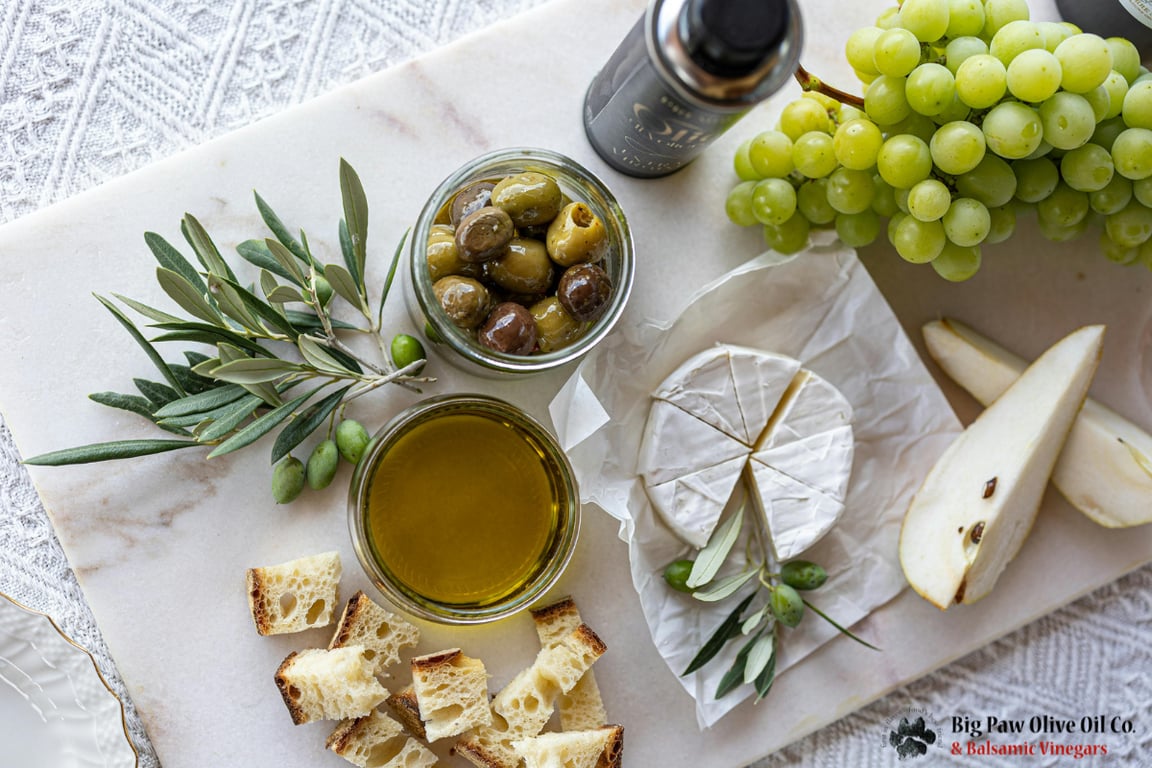
- As a dip for fresh bread
- Over pasta, soups, or grilled meats
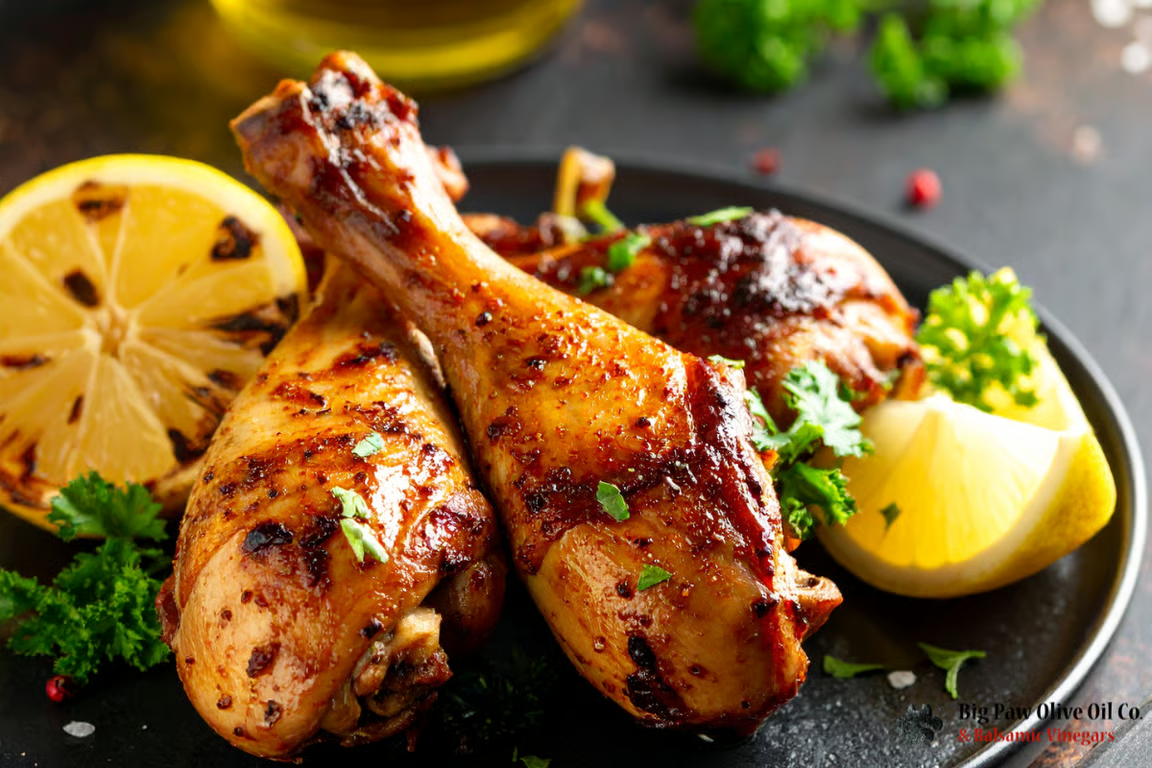
- In marinades for chicken, fish, or vegetables
- Drizzled over tomatoes, mozzarella, or fresh herbs
These swaps add flavor while helping reduce saturated fat from other sources.
Why Extra Virgin Olive Oil Is a Better Everyday Fat
Extra virgin olive oil offers something many other cooking fats do not: flavor. A good olive oil can taste grassy, peppery, buttery, fruity, or bold, depending on the olives and harvest.
That flavor makes simple food taste better. Fresh bread, roasted potatoes, grilled vegetables, salads, soups, and seafood can all be elevated with a drizzle of quality olive oil.
Because extra virgin olive oil has real taste, you may not need as much heavy sauce, creamy dressing, or added butter to make a dish satisfying. It helps food feel fresh and full without being overly rich.
How to Use Olive Oil in a Healthy Kitchen
Olive oil is easy to work into your everyday cooking. Use it as your go-to oil for sautéing vegetables, roasting potatoes, making vinaigrettes, or finishing cooked dishes.
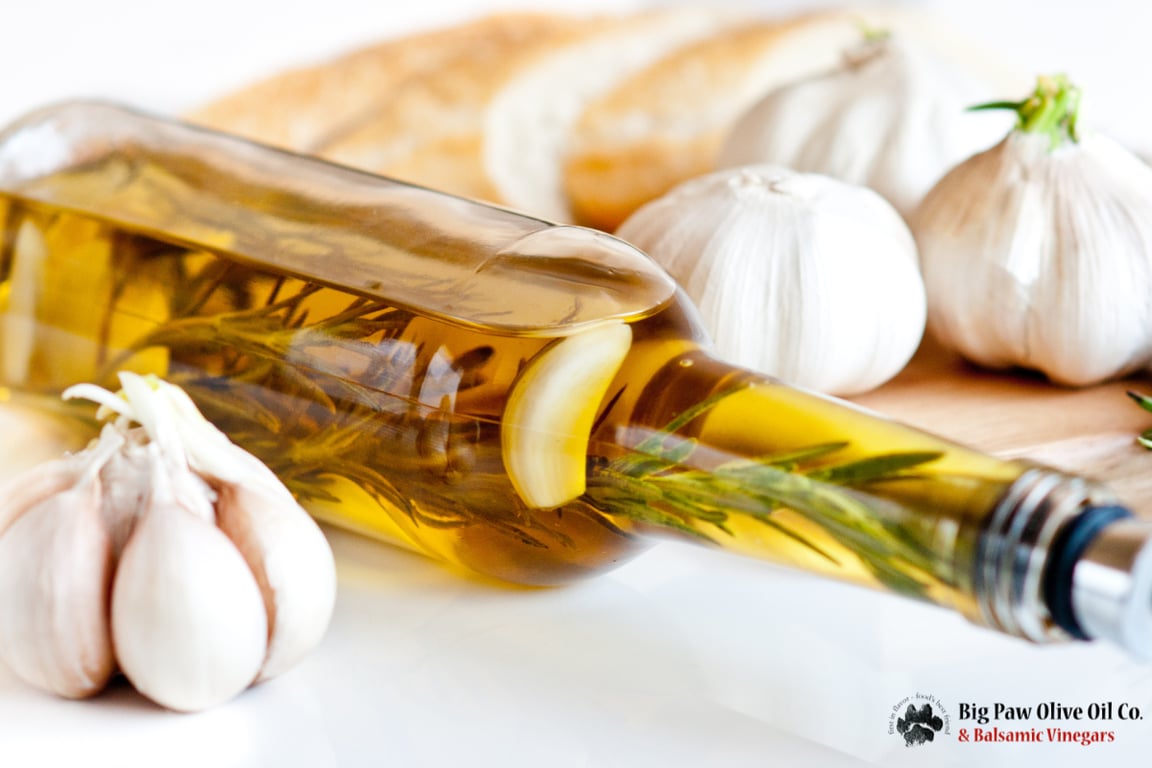
For a simple homemade dressing, whisk together extra virgin olive oil, balsamic vinegar, Dijon mustard, salt, pepper, and a little honey. For an easy bread dip, combine olive oil with garlic, herbs, cracked pepper, and a pinch of sea salt.
You can also drizzle olive oil over cooked beans, lentils, pasta, grilled chicken, fish, or steamed vegetables. These simple uses bring out the food's natural flavor and make meals feel more complete.
The Bottom Line: Olive Oil Has Saturated Fat, But It Is Still a Smart Choice
So, does olive oil have saturated fat? Yes, it does. But the bigger picture matters.
Olive oil contains only a small amount of saturated fat, has no cholesterol, and is mostly made up of unsaturated fats. Extra virgin olive oil also brings bold flavor and versatility to your kitchen, making it an easy replacement for butter and other fats higher in saturated fat.
For anyone trying to make better everyday food choices, olive oil is a simple, delicious place to start.
Frequently Asked Questions
Q: Does olive oil have saturated fat?
A: Yes. Olive oil does contain saturated fat, but only a small amount. Most of the fat in olive oil is unsaturated fat, especially monounsaturated fat.
Q: Does extra virgin olive oil have saturated fat?
A: Yes. Extra virgin olive oil contains some saturated fat, just like regular olive oil. However, it is mostly made up of unsaturated fats and is often used as a healthier alternative to butter or shortening.
Q: Does olive oil have cholesterol?
A: No. Olive oil is naturally cholesterol-free because it comes from olives, which are plant-based. Cholesterol is found in animal-derived foods, not plant oils.
Q: Is olive oil better than butter for saturated fat?
A: Yes, olive oil is much lower in saturated fat than butter. It is also cholesterol-free, while butter contains cholesterol because it is made from dairy.
Q: Can olive oil help with cholesterol?
A: Olive oil does not contain cholesterol and can be part of a cholesterol-conscious diet. It is especially useful when it replaces foods higher in saturated fat, such as butter or shortening.
Try Big Paw Olive Oil in Your Kitchen
Ready to make everyday meals taste better? Explore Big Paw Olive Oil’s extra-virgin olive oils and bring fresh, bold flavor to your cooking, dipping, roasting, and finishing.
Shop Big Paw Olive Oil today and taste the difference a quality olive oil can make.