Fax : 1-973-799-0901
 Call us now: +1 408-464-9048


10 Ways to Toast Bread in the Oven
 Bryan,
 May 20, 2025
There’s something magical about pulling a tray of freshly toasted bread from the oven—crust crackling, crumb still warm, and the kitchen filled with that unmistakable nutty aroma of good olive oil. While a countertop toaster browns only the surface, how to toast bread in oven uses oven heat that seeps into every air pocket, turning plain slices into crisp, flavor-packed canvases ready for sweet spreads or savory toppings. With just a light brush of Big Paw extra-virgin olive oil, each method below transforms an everyday loaf into a golden bite that can anchor breakfast, elevate appetizers, or rescue day-old bread destined for stuffing. Whether you need lightning-quick crunch under the broiler or a low-and-slow technique to dry cubes for holiday recipes, these ten oven approaches will ensure every slice earns its place at the table.
How to Toast Bread in the Oven: Quick Answer
The easiest way to toast bread in the oven is to preheat it to 400°F and arrange the slices in a single layer on a wire rack placed over a baking sheet. Bake for approximately eight minutes, or until the bread is golden and crisp. A wire rack allows hot air to circulate around both sides, so flipping may not be necessary.
When using a flat baking sheet without a wire rack, flip the bread halfway through to encourage more even browning. Thicker bread may need another minute or two, while thin sandwich bread can toast faster.
For additional flavor, lightly brush each slice with extra virgin olive oil before baking. Avoid soaking the bread because too much oil can make the center heavy instead of crisp.
If you are searching for how to toast bread in oven without a toaster, remember these basic steps:
- Preheat the oven to 400°F.
- Arrange the bread in one even layer.
- Brush lightly with olive oil if desired.
- Bake for about eight minutes.
- Flip halfway when using a flat baking sheet.
- Remove the bread when the edges are golden and the center is crisp.
This method is especially convenient when you need to toast bread in oven for several people at once.
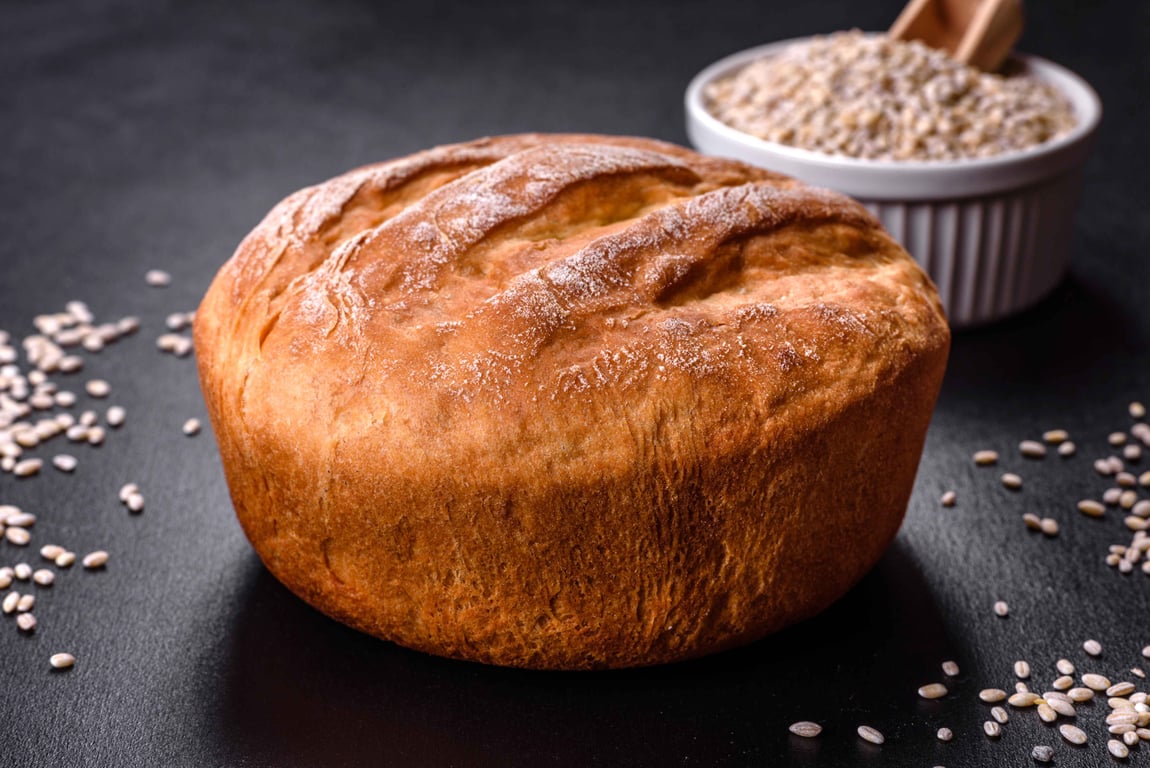
1. Broiler Method (Quick & Crisp)
Many cooks ask how to toast bread under broiler heat when they want ultra-crisp slices fast for bruschetta or soup toppers.
How: Brush both sides with olive oil, place the rack near the element, and broil about sixty seconds per side—that’s generally how long to broil bread for toast without scorching.
Pros: Intense top heat delivers razor-sharp crunch in under two minutes, freeing the stovetop for other tasks.
Watch for: Bread can move from golden to burnt within seconds under the broiler. Stay near the oven, check it continuously, and use tongs to turn or remove each slice quickly.

2. Bake Method (Even & Crunchy)
If you are wondering how to make toast in the oven, baking at a steady 400°F is one of the easiest ways to create evenly browned, crunchy slices.
How: Arrange bread on a wire rack set over a sheet pan; eight minutes of consistent heat produces oven toasted bread that is crisp from center to crust without flipping.
Pros: Hands-off baking lets you prep toppings while slices brown uniformly on both sides.
Watch for: Baking requires preheating and takes longer than broiling, so it may be less convenient when you only need one or two slices. Begin checking thin bread before the full baking time has passed.
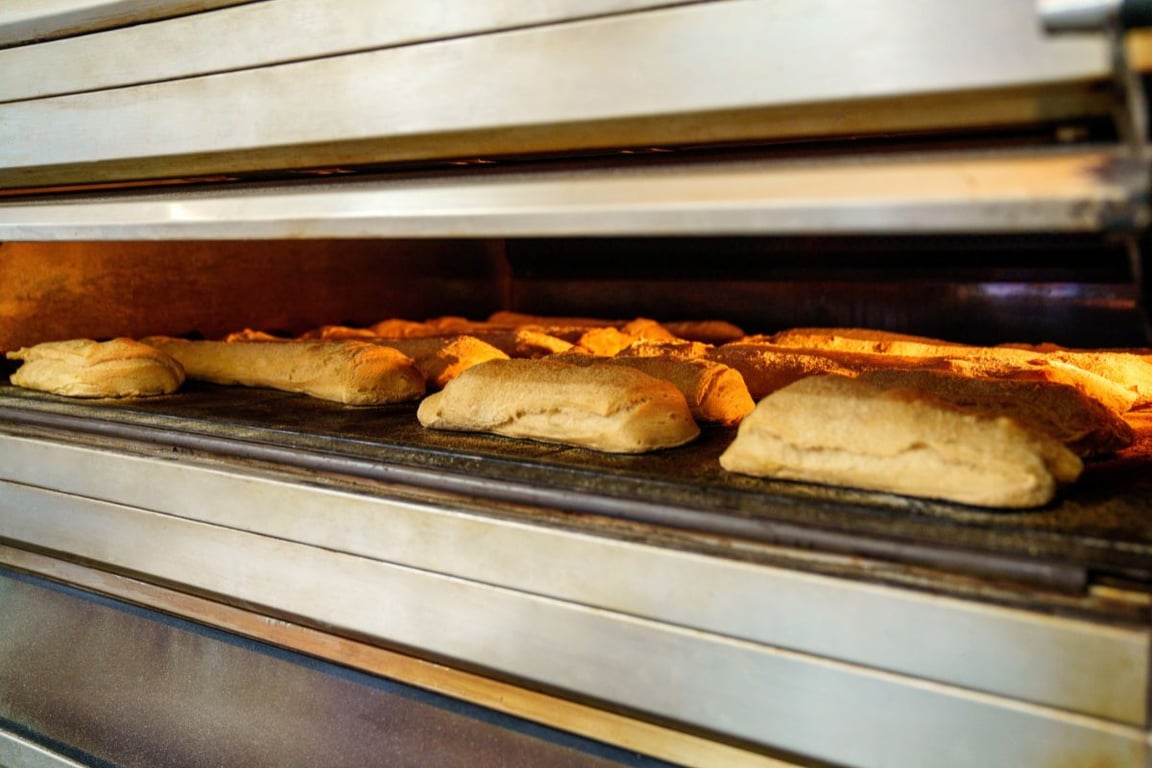
3. Low & Slow (Dry Out for Recipes)
Holiday cooks rely on this technique when they need oven dried bread for stuffing that stays firm in broth.
How: Spread cubes on a tray and bake at 250 °F for thirty-five minutes, stirring once; that gentle pace is how to dry out bread in oven without deep browning.
Pros: Dehydrated crumbs absorb dressing flavors yet keep their shape, and the pale color blends into any recipe.
Watch for: This method takes about 35 minutes and is intended to dry bread rather than produce quick breakfast toast. Stir the cubes halfway through so they dry evenly without developing overly dark edges.
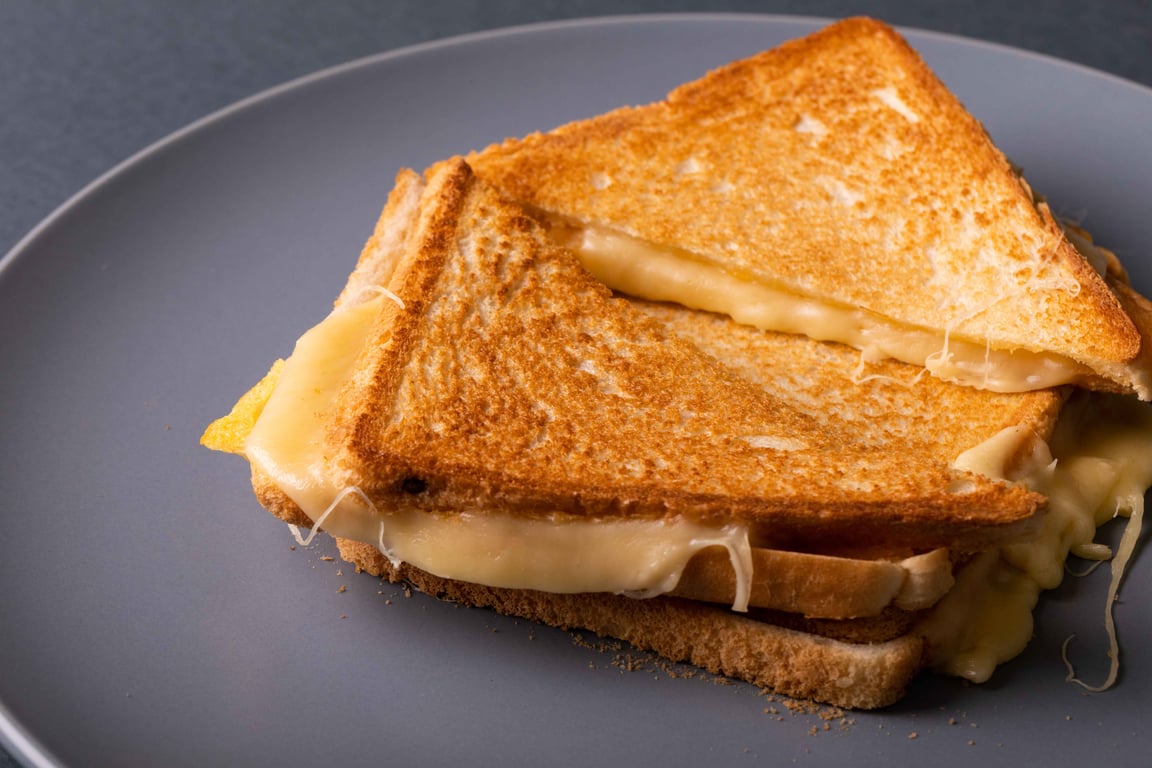
4. Cheese Melt Toast
Nothing beats an oozy oven cheese melt when comfort food calls.
How: Lightly toast bread first, cover it with shredded cheddar or mozzarella, and return it to the heat for two minutes to finish a classic baked cheese toast recipe.
Pros: One pan delivers molten topping and crisp base that pair beautifully with tomato soup or salad.
Watch for: Melted cheese can drip onto the baking sheet and burn. Line the pan with parchment paper or foil, and remove the toast as soon as the cheese is melted and lightly bubbling.
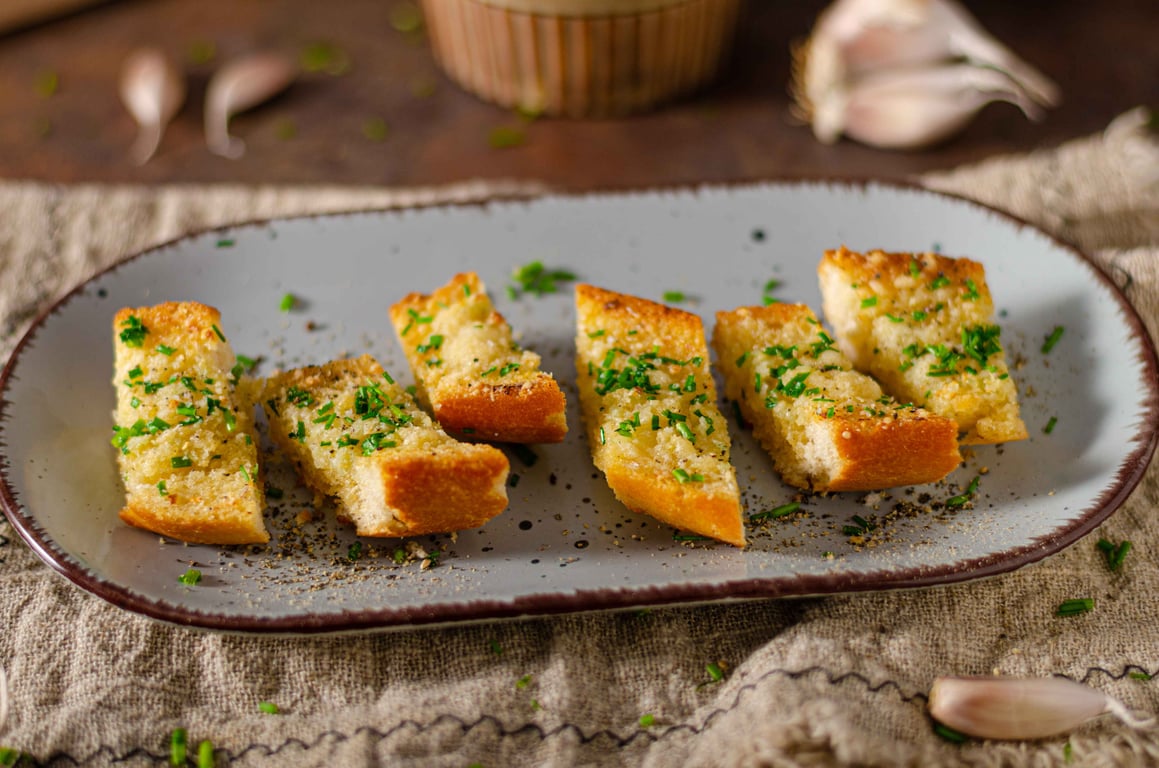
5. Garlic Toast
The promise of garlic bread in oven form can draw a family to the table before the main dish is plated.
How: Blend softened butter, minced garlic, parsley, and olive oil; spread thickly and bake at 375 °F for ten minutes to achieve crave-worthy baked garlic toast—an easy garlic toast recipe you’ll repeat often.
Pros: Buttery herbs seep into the crumb, delivering intense flavor beside pasta, chili, or roasted vegetables.
Watch for: Minced garlic can brown faster than the bread and may develop a bitter taste if it burns. Keep the slices on the middle oven rack and begin checking them during the final few minutes.
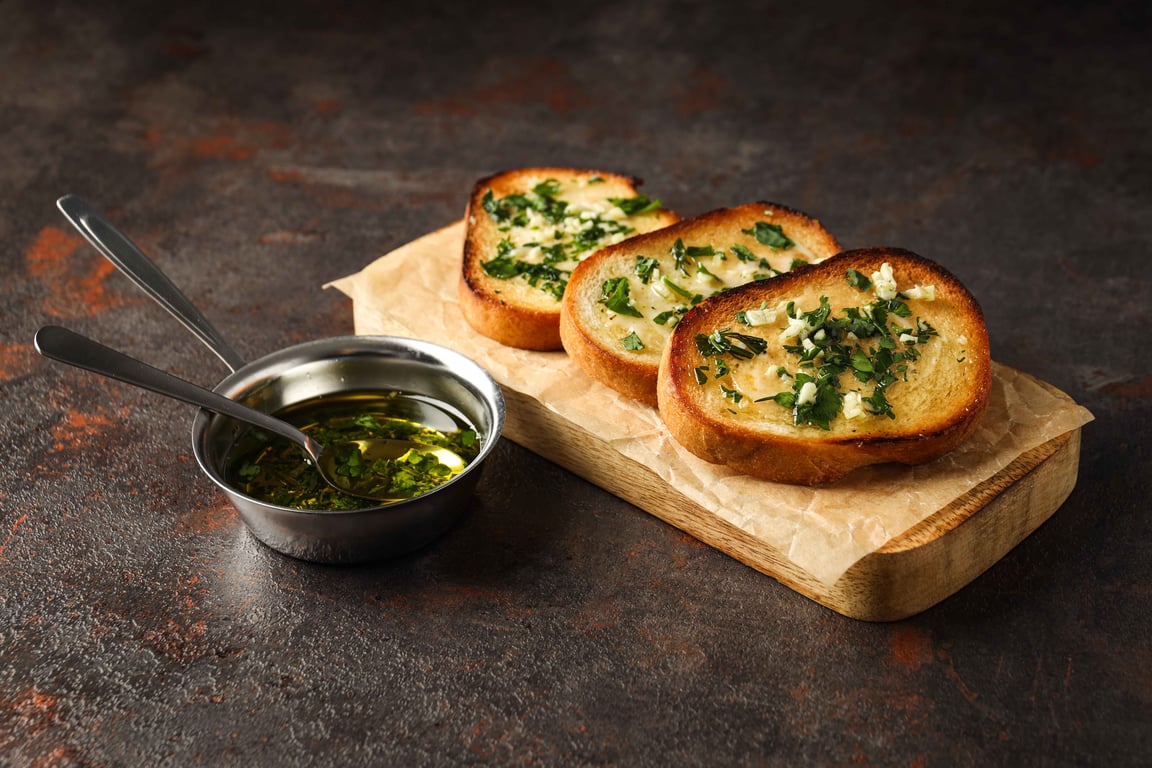
6. Herbed Olive Oil Toast
This herb toast recipe turns leftover baguette into a Mediterranean snack with almost no effort.
How: Whisk oregano, thyme, sea salt, and Big Paw olive oil; brush generously and bake until each olive oil bread toast cracks audibly, then top with tomato salad or whipped feta for Mediterranean toast ideas.
Pros: Dried herbs bloom in hot oil, perfuming the kitchen while adding zero extra cooking time.
Watch for: Dried herbs can darken quickly in hot oil. Check the toast closely near the end of baking, and serve it promptly because oiled slices may begin to soften as they sit.
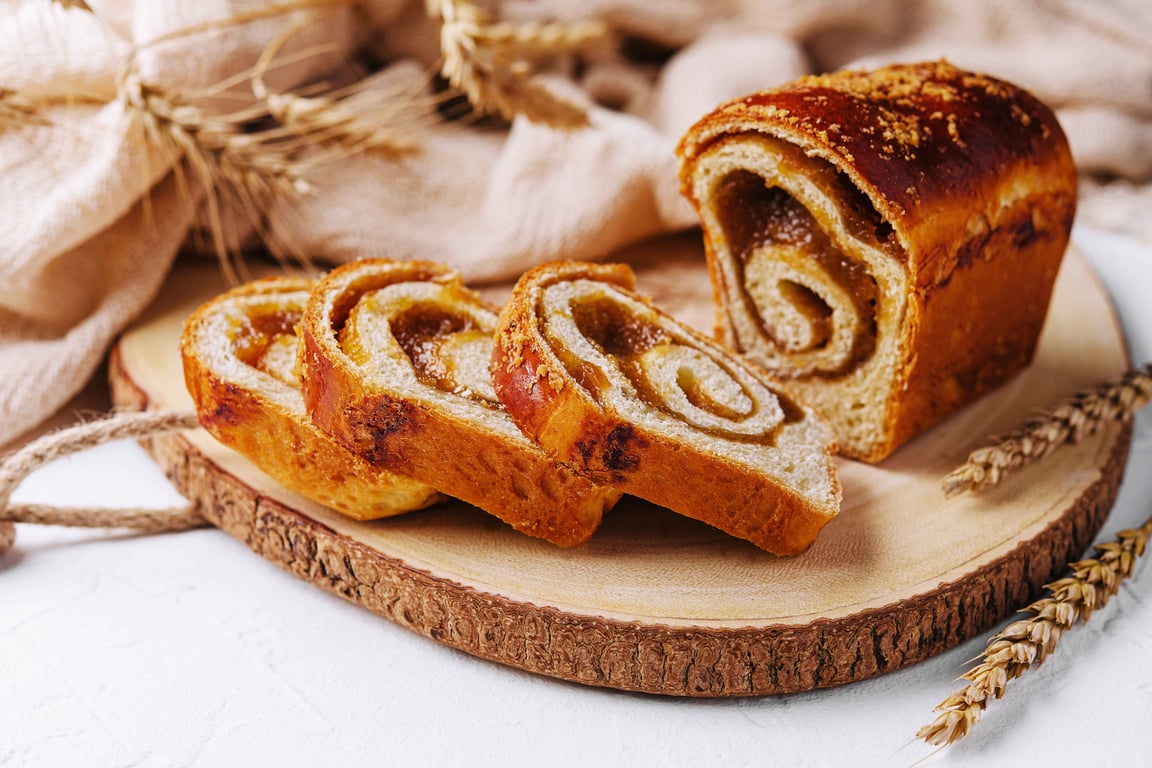
7. Sweet Cinnamon Sugar Toast
For an easy sweet breakfast toast, many households rely on cinnamon sugar toast in oven form instead of a frying pan.
How: Blend softened butter, olive oil, cinnamon, and sugar; spread over bread and bake at 375 °F until the topping bubbles into shiny, baked cinnamon toast bliss.
Pros: Caramelized sugar forms a glassy shell that shatters with the first bite and feels nostalgic yet special.
Watch for: Sugar can change from caramelized to burnt very quickly. Begin checking the bread during the final two minutes and remove it once the topping is bubbling and the edges are golden.

8. Avocado Toast Base
Oven toasted bread for avocado toast stays crisper under creamy toppings than slices from a pop-up toaster.
How: Bake thick sourdough until the crust rings when tapped, let it cool one minute, then follow your favorite avocado toast base recipe; many brunch fans insist this is the best toast for avocado because it never sags.
Pros: Firm structure supports generous toppings and combines the healthy fats of avocado with those of olive oil.
Watch for: Thick sourdough slices may require additional baking time. Let the toast cool for about one minute before adding avocado so steam and moisture do not immediately soften the surface.

9. Spicy Sriracha Toast
Heat lovers will swoon over glossy sriracha bread toast that balances sweet, spicy, and savory flavors.
How: Stir olive oil, Sriracha, and a drizzle of honey, brush each slice, and bake six minutes for one of the simplest chili toast ideas you’ll ever try.
Pros: The sweet-hot glaze caramelizes beautifully, matching well with fried eggs, grilled shrimp, or roasted veggies.
Watch for: The honey and Sriracha glaze can drip, caramelize, and create smoke. Use parchment paper for easier cleanup, apply the mixture lightly, and reduce the Sriracha for a milder result.
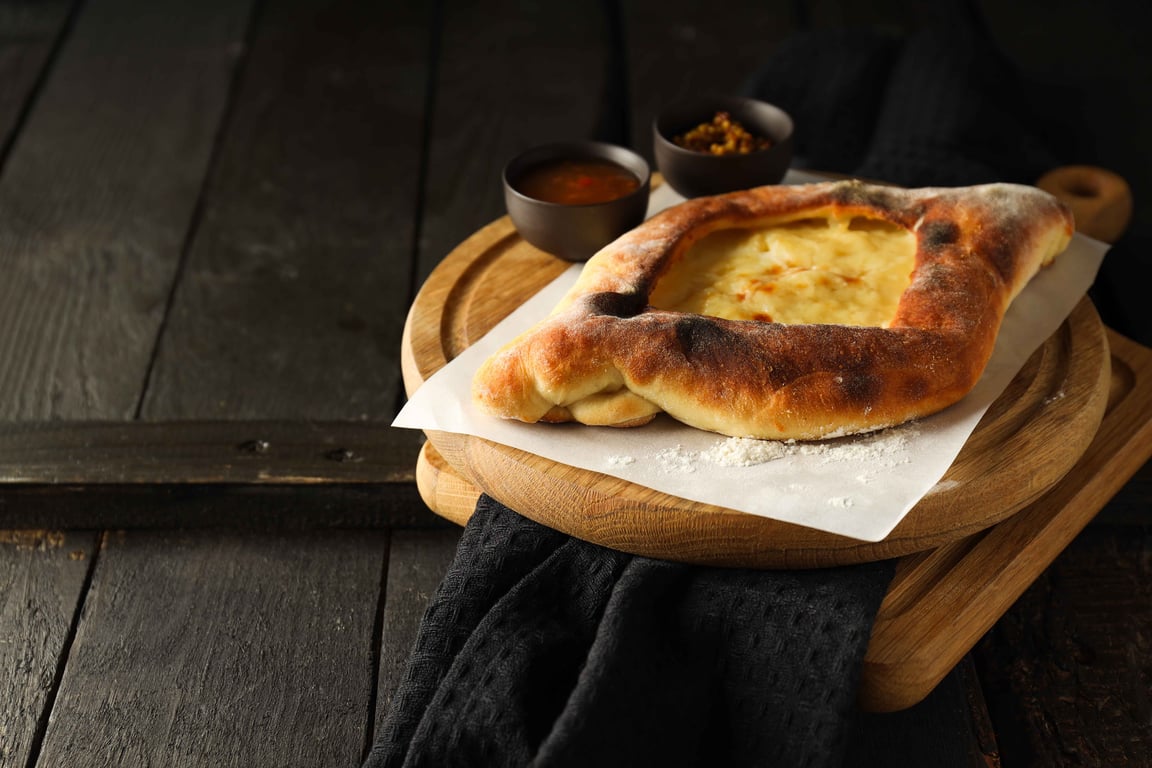
10. Toad in the Hole
A playful baked egg toast—often called toad in the hole toast—combines protein and starch in one neat package.
How: Cut a two-inch circle from the center, oil the pan, crack an egg into the opening, and bake at 400 °F until whites set for a faultless egg in a hole toast recipe.
Pros: Crispy edges, creamy yolk, and minimal dishes make it a favorite with kids and adults alike.
Watch for: The bread’s cut-out center may brown faster than the slice holding the egg. Check it early and remove it separately if necessary, while allowing the egg white to finish setting.
Tips for Evenly Toasting Bread in Oven
Toasting bread in oven heat gives you more control over batch size, toppings, and texture, but the results can vary based on the type and thickness of the bread. Use these tips to prevent pale centers, burnt edges, or uneven browning.
Keep Bread in a Single Layer
Do not overlap the slices. Every piece should have enough space for hot air to circulate around it. Crowding the pan can trap moisture and leave parts of the bread soft.
Adjust the Time for Bread Thickness
Thin sandwich bread generally browns faster than sourdough, baguette, Texas toast, or other thick-cut bread. Begin checking thin slices before the recommended cooking time ends.
Choose the Right Oven Rack
Use the middle rack for standard baking. This position provides steady heat and reduces the chance of burning. Move the rack closer to the upper heating element only when using the broiler, and watch the bread continuously.
Use Olive Oil Lightly
A thin, even coating of olive oil can help the bread develop a golden surface and richer flavor. Brush the oil across the bread instead of pouring it directly onto one area.
Serve the Toast Promptly
Steam from hot toppings can soften oven toast. Allow the bread to cool for about one minute before adding avocado, tomatoes, cheese, eggs, spreads, or other moist ingredients.
Learning how to make toast in the oven also makes it easier to prepare larger batches for breakfast, brunch, appetizers, soups, and party platters. Whether you prefer plain toast, garlic bread, or an olive oil toast in oven recipe, careful timing is the key to achieving a crisp surface without burning the edges.
Save this infographic about the 10 ways to toasting bread in the oven by Big Paw Olive Oil!
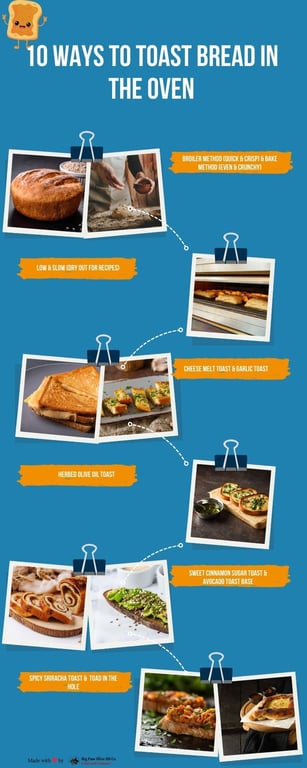
Once you know how to toast bread in the oven, you can adjust the temperature, cooking time, bread thickness, and olive oil to create the texture each recipe needs.
Whether you reach for the broiler, crank the oven to roast, or drop the temperature to dry crumbs slowly, a single loaf supports endless textures and flavors. The small step of brushing each piece with Big Paw extra-virgin olive oil deepens browning, adds subtle fruitiness, and gives ordinary bread a professional edge. Keep these techniques handy, and you’ll always have the right toast—crisp, chewy, sweet, or savory—for breakfast plates, party trays, or holiday pans of stuffing.